

Safari in South Africa
Safari, wilderness, coastlines and the diversity of an entire continent in one country.
Safari in South Africa - One country. A thousand ways to experience Africa.
South Africa is one of those countries where it's almost impossible to decide what the main focus of the trip should be.
Perhaps the day begins with a game drive in the Greater Kruger and ends a few hours later with a glass of wine among the vineyards of the Cape Winelands. You can drive along the coast, hike through mountains, watch penguins on the Atlantic coast, or spend several days in a private safari lodge deep in the bush.
And that is precisely South Africa's special strength: You don't have to choose one side of Africa.
Safari and city. Mountains and sea. Wine regions and wilderness. Road trip and luxury lodge. South Africa brings all of this together in a single trip.
Few other countries offer such flexible travel options. A classic safari in the Greater Kruger can be combined with a visit to Cape Town and the Winelands. KwaZulu-Natal combines exciting wildlife viewing with the Indian Ocean coast. Along the Garden Route, spectacular coastal landscapes, forests, and charming villages alternate before the journey culminates in Addo Elephant National Park, immersed in the world of wildlife.
There is much to discover off the beaten track. Private game reserves, lesser-known safari areas, small boutique lodges, and unique landscapes make it possible to experience South Africa from a different perspective time and time again.
South Africa is therefore not only an ideal country for a first trip to Africa. It is equally exciting for those who have already experienced several safaris and want to discover Africa in a different way.
Because perhaps that is precisely the most beautiful quality of South Africa: there is no single way to travel through this country.
You decide how much safari you want, how much time you spend traveling, and which parts of the country you want to combine. And that's exactly how a trip can be created that's as diverse as South Africa itself.

Why South Africa?
South Africa is one of Africa's most diverse travel destinations. Within a single trip, you can go on safari in the morning and stroll through the streets of Cape Town in the afternoon. You can observe elephants and leopards, hike through vineyards, drive along rugged coastlines, or spend a few days in a private safari lodge deep in the bush.
It is precisely this diversity that makes South Africa such a special travel destination. A trip here doesn't have to be limited to safaris. On the contrary: the most beautiful journeys combine different landscapes and experiences.
A few days in the Greater Kruger National Park can be combined with a visit to Cape Town and the Winelands. A safari in KwaZulu-Natal can be combined with a trip to the beaches of the Indian Ocean. A self-drive tour along the Garden Route can end with a stay in Addo Elephant National Park. And those who have already experienced several safaris in Africa will still find new regions to discover in South Africa.
One country, many faces
South Africa can hardly be reduced to a single landscape. In the northeast, vast savannas and bushlands stretch across the landscape, home to some of the continent's best safari areas. In the south, the striking mountain scenery around Cape Town rises majestically. Vineyards crisscross the Cape Winelands, while the coastline is characterized by dramatic cliffs, long beaches, and small bays. Further along the Garden Route, forests, lagoons, and coastal landscapes alternate.
In the east of the country, subtropical landscapes meet the Indian Ocean. This geographical diversity also means exceptional biodiversity.


South Africa at a glance
Capital city
Largest city
Size
Resident
Language
currency
Time zone
entry
Safari possible
Best time to travel
Highlights
Pretoria
Johannesburg
approx. 1,221,037 km²
approximately 63 million
12 official languages
South African Rand (ZAR)
UTC +2
Electronic visa or visa on arrival (depending on nationality)
Year-round
May–September for safaris, depending on the region
Greater Kruger, Cape Town, Winelands, Garden Route, KwaZulu-Natal, Drakensberg, Addo Elephant National Park
Where is South Africa?
South Africa lies at the southern tip of the African continent. The country borders Namibia, Botswana, Zimbabwe, Mozambique, and Eswatini. Lesotho, completely surrounded by South Africa, lies within the country. To the west, South Africa borders the Atlantic Ocean, and to the south and east, the Indian Ocean. This location results in enormous climatic and geographical differences. While classic savannah landscapes dominate in the northeast, you'll find a Mediterranean climate around Cape Town. The Garden Route is characterized by lush forests and coastal scenery, while KwaZulu-Natal is subtropical and warm.
What sets South Africa apart from other safari destinations
South Africa is a safari destination that combines particularly well with other travel experiences. You can spend the morning in an open safari vehicle and a few days later hike through the vineyards of Stellenbosch, drive along the coast, or explore Cape Town. At the same time, South Africa offers a wide selection of private reserves, national parks, and high-quality lodges, allowing for a diverse range of safari experiences.
Another advantage is the flexibility. Many regions are well-developed and can easily be integrated into a customized tour. You can drive yourself, travel with a private guide, or combine several safari regions. In addition, there are malaria-free areas, which can be particularly interesting for families, as well as a wide selection of accommodations and price categories.
South Africa is therefore suitable for both first-time safari visitors and those with prior experience in Africa. You can plan a trip focused on intensive safaris or combine wildlife viewing with city visits, wine regions, coastal exploration, and nature. This very combination makes South Africa one of the most diverse places to experience Africa.

Why a safari in South Africa is worthwhile
Private reserves with exclusive lodges
Big Five in numerous safari regions
Sehr gute Kombination mit Kapstadt und den Winelands
Self-drive safaris and guided safaris available
Wide range of safari experiences
Malaria-free safari areas available
Excellent for combining with the Garden Route and the coast.
Good conditions for families and photography trips
The most beautiful safari regions in South Africa
South Africa doesn't offer just one safari destination. On the contrary, one of the country's greatest strengths is the diversity of its safari regions. From expansive national parks to private reserves with exclusive lodges, you'll find a wide range of ways to experience Africa.
The Greater Kruger is the country's most famous safari region. This vast natural area encompasses Kruger National Park and numerous private reserves such as Sabi Sand, Thornybush, and Timbavati. Here you can expect excellent chances of spotting the Big Five, diverse landscapes, and a wide selection of safari lodges.
In the private reserves of the Greater Kruger, the safari experience is often even more central. Depending on the reserve and accommodation, activities such as night drives, walking safaris, and game drives off-road are possible. At the same time, you'll find some of South Africa's most exclusive safari lodges here.
Further south, KwaZulu-Natal offers a completely different combination. Regions like Babanango, Phinda, and the surrounding private reserves combine intensive wildlife viewing with diverse landscapes and proximity to the Indian Ocean. Here, safaris can be perfectly combined with coastal activities, beaches, and other nature experiences.
The Eastern Cape is also an interesting safari region, especially for travelers who want to combine a safari with a trip along the Garden Route. Private reserves such as Shamwari, Lalibela, and Schotia offer Big Five safaris and high-quality lodges in malaria-free areas. Addo Elephant National Park is another option in the region and is particularly famous for its elephants.
In addition, South Africa offers other, smaller safari areas that can be combined in interesting ways depending on your travel plans. It is precisely this variety that makes the country so flexible.
The question isn't just where you can see animals, but what kind of safari suits you best. Is it your first safari? Are you looking for intensive predator viewing? Do you want to spend as much time as possible in a private reserve? Or should the safari be part of a larger South Africa trip that includes Cape Town, the Winelands, the Garden Route, or the coast?
The right region therefore always depends on how you want to experience South Africa.
Greater Kruger National Park
The heart of the South African safari

The Greater Kruger is South Africa's premier safari region. The area encompasses the world-famous Kruger National Park as well as several private game reserves, which are connected to the national park without fences. This creates one of the largest contiguous wilderness areas in Africa.
People live here:
Elephants
Lions
Leopards
Rhinoceroses
buffalo
Wild dogs
Cheetahs
Giraffes
Zebras
numerous antelope species
The private reserves on the western and southwestern edges of Kruger National Park are particularly interesting. These include, among others:
Sabi Sand
Timbavati
Classroom
Thornybush
Balule
Here, the number of safari vehicles is significantly more limited, and the guides are sometimes allowed to drive off the official roads.
This can make a big difference, especially when spotting leopards or other animals that are difficult to observe.
Sabi Sand Private Game Reserve
One of the best regions for leopards

The Sabi Sand Nature Reserve is one of Africa's most prestigious safari destinations. The region is particularly renowned for its exceptional leopard sightings. Thanks to its diverse terrain and the year-round presence of wildlife, Sabi Sand is ideal for both first-time and experienced safari-goers. Many lodges are situated along rivers or waterways frequented by wildlife. Those seeking a classic luxury safari with outstanding guiding and excellent Big Five sightings will find themselves in perfect hands here.
Timbavati and Klaserie
Wilderness with fewer people

The private Timbavati and Klaserie reserves lie west of Kruger National Park. They offer similar landscapes and wildlife to Sabi Sand, but often feel more tranquil. These regions are particularly appealing to travelers seeking exclusivity and immersive nature experiences, but who don't necessarily want to stay in one of the most famous reserves. Timbavati is also known for its rare white lions and offers excellent leopard sightings.
National Parks in KwaZulu-Natal
Safari between mountains and coast


KwaZulu-Natal offers a completely different safari experience than Kruger. The landscape is more varied, ranging from open savannahs and wetlands to mountainous regions.
Particularly interesting are:
Hluhluwe-iMfolozi Park
Phinda Private Game Reserve
iSimangaliso Wetland Park
Babanango Private Game Reserve
The region is particularly known for its rhinos and can be perfectly combined with a stay on the coast.
Madikwe Game Reserve
Intensive safari in malaria-free wilderness

Madikwe Game Reserve lies northwest of Johannesburg, near the border with Botswana. Its low malaria rate makes Madikwe particularly attractive for families. In addition to the Big Five, wild dogs, cheetahs, and numerous antelope species also inhabit the reserve. Its proximity to Kruger National Park also makes Madikwe easily combinable with a trip to Botswana.
Addo Elephant National Park
Safari on the Garden Route

Addo Elephant National Park is located in the Eastern Cape and is particularly famous for its large elephant herds. Its location makes it a possible addition to a trip along the Garden Route if you want to combine a safari and a tour.
The safari experience in Addo is significantly different from the private reserves and the classic safari areas of the Greater Kruger. The landscape and vegetation are different, as is the way you travel.
For us, Addo is therefore primarily interesting if it fits sensibly into your itinerary. Those specifically seeking a more intensive safari experience in the Eastern Cape can instead integrate private reserves such as Shamwari, Lalibela, or Schotia into their trip.
Welche Safari-Region passt zu dir?
Region
Timbavati
Sabi Sand
Klaserie
Balule
Madikwe
Eastern Cape
KwaZulu-Natal
generell Greater Kruger
Ideal for
Leoparden, exklusive Safari
Luxus-Safari, Leoparden
Ruhige Safari, Wildlife
Weniger besuchte Region
Familien, Wild Dogs
Familien, Garden Route
Nashörner, Safari & Küste
unterschiedliche Eindrücke
Special feature
Known for white lions
Exclusive Lodges & Wildlife
Private Wilderness & Bush Walks
Extensive river landscapes
Malaria-free & stunning scenery
Private reserves & malaria free
Safari combo: Mountains & Coast
Great safari variety
Which safari region suits you best?
Our recommendation
Choosing the right area depends heavily on what you expect from your safari. For many travelers, the Greater Kruger is the ideal introduction to a South African safari. Regions like Sabi Sand, Thornybush, and Timbavati combine excellent chances of seeing the Big Five with high-quality lodges and immersive safari experiences. A safari can be particularly well combined with Cape Town and the Winelands for a diverse and memorable South African trip.
Those wishing to explore South Africa beyond Kruger will find exciting alternatives in the Eastern Cape and KwaZulu-Natal. Private reserves like Shamwari, Lalibela, and Schotia are ideal for a safari along the Garden Route, while Phinda and other reserves in KwaZulu-Natal combine particularly well with the Indian Ocean coast. Which region is best depends less on a classic "safari route" and more on which landscapes, wildlife, and travel experiences you want to combine.

The Big Five in South Africa
South Africa is one of the most diverse countries in Africa for observing the Big Five in the wild. The Greater Kruger National Park, private reserves such as Sabi Sand, Timbavati and Thornybush, as well as selected protected areas in KwaZulu-Natal and the Eastern Cape, offer particularly excellent opportunities for impressive wildlife viewing.
What animals can you see in South Africa?
South Africa is one of the most biodiverse travel destinations in Africa. The Greater Kruger in particular offers an exceptional density of wildlife and is one of the best regions on the continent for observing the Big Five.
But South Africa's wildlife is much more diverse than lions, leopards, elephants, rhinos and buffaloes.
Depending on the region, you can also observe wild dogs, cheetahs, giraffes, zebras, hippos, crocodiles, numerous antelope species and an impressive variety of birds on a trip.

Lion
Löwen sind in vielen Safari-Gebieten Südafrikas verbreitet. Besonders spannend sind Beobachtungen am frühen Morgen oder späten Nachmittag, wenn die Temperaturen niedriger sind und die Tiere aktiver werden.
Wer eine gute Löwensichtung erlebt, kann häufig auch interessantes Sozialverhalten beobachten: Jagd, Revierverhalten, Interaktionen zwischen Rudelmitgliedern oder spielende Jungtiere.

leopard
Der Leopard ist für viele Safari-Reisende das Highlight schlechthin.
Er lebt zurückgezogen, ist hervorragend getarnt und verbringt viel Zeit in Bäumen oder dichtem Busch.
Der Greater Kruger, insbesondere das Sabi Sand, ist international für seine hervorragenden Leoparden-Sichtungen bekannt.

elephant
Afrikanische Elefanten gehören zu den häufigsten und eindrucksvollsten Tieren im Greater Kruger.
Besonders faszinierend ist es, eine große Herde beim Trinken oder Baden zu beobachten. In trockenen Monaten konzentrieren sich die Tiere zunehmend an Wasserstellen, während sie in der grünen Saison weit durch die Buschlandschaft ziehen.

African Buffalo
The Cape buffalo is one of the most characteristic animals of the African savanna.
Large herds can comprise several hundred animals and often move through open grasslands or along watercourses.
Buffalo are also an important part of the ecosystem and a significant prey species for lions.

rhino
South Africa is home to significant populations of white and black rhinoceroses.
The Kruger National Park and the private reserves of the Greater Kruger are particularly important habitats for these endangered animals. KwaZulu-Natal also plays a key role in rhino conservation.
Observing rhinos in the wild is one of the most impressive experiences of a safari.
Other impressive wildlife
Besides the Big Five, you can also observe the following in South Africa:
African wild dogs
Cheetahs
Giraffes
Zebras
Hippos
Warthogs
Hyenas
Kudus
Impalas
Waterbucks
Eland
Wildebeest
baboons
Crocodiles
Sightings of African wild dogs are particularly exciting. This highly endangered species is not easy to find everywhere, but it does occur in some regions of South Africa.

Antelopes
South Africa is home to a great variety of antelope species, from small antelopes to imposing large antelopes. Among the most common and characteristic are:
impala
Kudu
Waterbuck
Nyala
Eland
gnu
Springbok
Gemsbok
Stripe wildebeest
Cliff jumper
It is precisely this diversity that makes every game drive exciting. Depending on the region and habitat, you will constantly encounter different species.
South Africa for birdwatchers

South Africa is also exceptionally interesting for birdwatching. More than 800 bird species have been recorded in the country. During a safari, you can observe, for example:
Juggler
Hornbills
Kingfishers
Bee-eaters
eagle
vulture
Storks
heron
Hornbills
For photographers, birds of prey and colorful species in particular are exciting subjects.
Safari species in South Africa

Eine Safari in Südafrika muss nicht immer gleich aussehen. Das Land bietet eine große Auswahl an unterschiedlichen Safari-Erlebnissen.
Klassische Game Drives
Die klassische Pirschfahrt bleibt die beliebteste Art, Südafrikas Tierwelt zu erleben. In einem offenen Safari-Fahrzeug fährst du gemeinsam mit einem erfahrenen Guide durch das Reservat. Frühe Morgenfahrten und Nachmittagsfahrten bieten unterschiedliche Lichtstimmungen und Tieraktivitäten.
Private Safari
In privaten Reservaten wie Sabi Sand, Timbavati oder Klaserie sind die Möglichkeiten deutlich flexibler als im staatlichen Nationalpark.
Je nach Gebiet dürfen Guides:
-
abseits der Hauptwege fahren
-
längere Zeit bei einer Sichtung bleiben
-
nächtliche Pirschfahrten anbieten
-
bestimmte Beobachtungen intensiver verfolgen
Das ist besonders bei scheuen Tieren wie Leoparden ein großer Vorteil.
Walking Safari
Eine Walking Safari verändert die Perspektive komplett. Statt aus dem Fahrzeug heraus beobachtest du die Umgebung zu Fuß. Du lernst dabei nicht nur große Tiere kennen, sondern auch die kleinen Details des Ökosystems:
-
Spuren
-
Pflanzen
-
Insekten
-
Vögel
-
Gerüche
-
Geräusche
Begleitet wirst du von einem ausgebildeten Guide und je nach Region einem bewaffneten Ranger. Walking Safaris sind besonders für Reisende interessant, die Afrika nicht nur sehen, sondern wirklich verstehen möchten.
Fotografen-Safari
Südafrika ist hervorragend für Wildlife-Fotografie geeignet. Private Reservate bieten häufig mehr Flexibilität bei Sichtungen und ermöglichen es, sich intensiver mit einzelnen Tieren und fotografischen Situationen zu beschäftigen. Für Fotografen achten wir bei der Reiseplanung unter anderem auf:
-
Jahreszeit
-
Lichtbedingungen
-
Fahrzeugtyp
-
Anzahl der Gäste
-
Lage der Unterkunft
-
fotografische Möglichkeiten
-
Schwerpunkt auf bestimmten Tierarten
Night Drives
Nach Sonnenuntergang beginnt eine völlig andere Welt. Mit einem Fahrzeug und Scheinwerfern geht es in die Dunkelheit. Viele nachtaktive Tiere werden erst jetzt aktiv. Je nach Region kannst du unter anderem beobachten:
-
Leoparden
-
Löwen
-
Hyänen
-
Schakale
-
Buschbabys
-
Eulen
-
Ginsterkatzen
Gerade für Fotografen und erfahrene Safari-Reisende sind Night Drives eine spannende Ergänzung zu klassischen Pirschfahrten. Bitte beachte, dass diese nur unter Leitung eines erfahrenen Guides und nur in privaten Reservaten durchgeführt werden.
3-day Wilderness Trail in Maseke Game Reserve
An immersive safari experience for those who want to explore the bush beyond the confines of a vehicle. The three-day Wilderness Trail combines morning walking safaris, afternoon game drives, and comfortable glamping in the heart of the wilderness. It's an authentic way to experience Maseke from different perspectives without sacrificing comfort.

Safari combinations in South Africa
Eine der größten Stärken Südafrikas ist die Möglichkeit, Safari und Stadt innerhalb einer einzigen Reise miteinander zu verbinden. Nach einigen Tagen im Busch kannst du nach Kapstadt fliegen und plötzlich zwischen Bergen, Meer, Restaurants und Weinbergen stehen. Diese Kombination ist ideal für Reisende, die nicht ausschließlich Safari erleben möchten.

Cape Town - One of the most beautiful cities in Africa
Cape Town is one of the most spectacular cities on the continent. Table Mountain, the Atlantic Ocean, and the surrounding mountains create a unique backdrop. Highlights include:
Table Mountain
Lion's Head
V&A Waterfront
Bo-Kaap
Kirstenbosch
Robben Island
Camps Bay
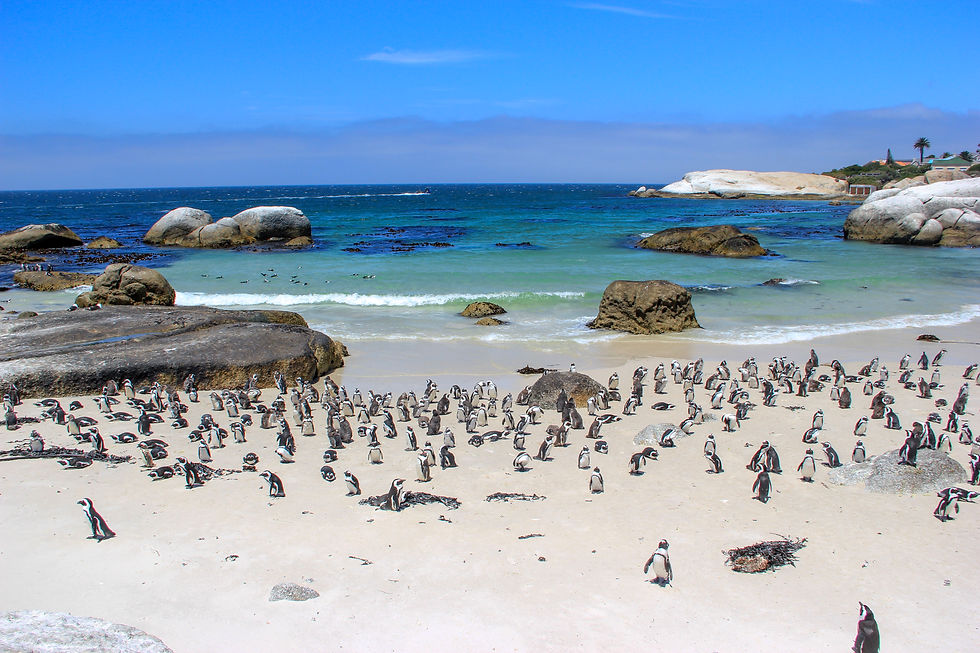
Boulders Beach
Cape Winelands
Just a few kilometers from Cape Town lie the famous wine regions around Stellenbosch, Franschhoek, and Paarl. Here you can visit wineries, taste excellent wines, and dine in historic wine estates. For many travelers, the Winelands are the perfect transition between Cape Town and a safari.
Garden Route
The Garden Route stretches along the south coast and offers a completely different landscape than the northeast of South Africa.
Dense forests, lagoons, beaches and dramatic coastlines make the region ideal for a self-drive trip.
Depending on the route, it is possible to combine places such as Knysna, Plettenberg Bay, Wilderness and the Tsitsikamma National Park.
Safari and Cape Town – an ideal combination
A classic South Africa trip might look something like this:
3 nights Cape Town
→ City, Table Mountain and coast
2 nights Winelands
→ Wine, cuisine and landscape
3 to 4 nights Greater Kruger
→ Big Five and private safari
Those with more time can also include the Garden Route or KwaZulu-Natal.


The best time to travel to South Africa
South Africa can be visited year-round. However, the best time to travel depends heavily on which regions you want to visit and what you want to experience.
The country covers an enormous area and has several different climate zones. While winter in Kruger is dry and ideal for wildlife viewing, Cape Town typically experiences warm, summery weather at the same time.
That is precisely why South Africa is particularly interesting for round trips: there is hardly a time when the entire country would simultaneously be a "bad time to travel".
May to September
For classic safari trips in Kruger and Greater Kruger National Park, the dry winter months from about May to September are considered particularly good.
The vegetation becomes increasingly sparse, and wildlife concentrates more on the remaining water sources. This often makes them easier to spot. Furthermore, daytime temperatures are pleasant, and the air is usually dry. Especially suitable for:
Big Five
Leopards
Elephants
Rhinoceroses
photographers
classic safari
Walking Safaris
October to November
Spring and early summer bring the first rains. The landscape begins to change, becoming increasingly green. Young animals are born, and nature seems noticeably more vibrant. These months can be particularly interesting for photographers, as dramatic clouds, fresh greenery, and warm light make for diverse and captivating images.
December to April
It's summer in the Greater Kruger. It can get hot and sometimes humid, while the landscape transforms into a lush green savannah. This time of year can also be very exciting for wildlife viewing. Young animals, migratory birds, and the vibrant vegetation create a completely different safari experience than during the dry winter.
Cape Town and the Garden Route
Different conditions apply to Cape Town. The months from November to March usually offer warm and dry weather and are ideal for:
Cape Town
Table Mountain
beaches
Winelands
Garden Route
Self-drive tours
In contrast, the months of June to August are part of the South African winter. During this time, it can get cool and rainy in Cape Town.
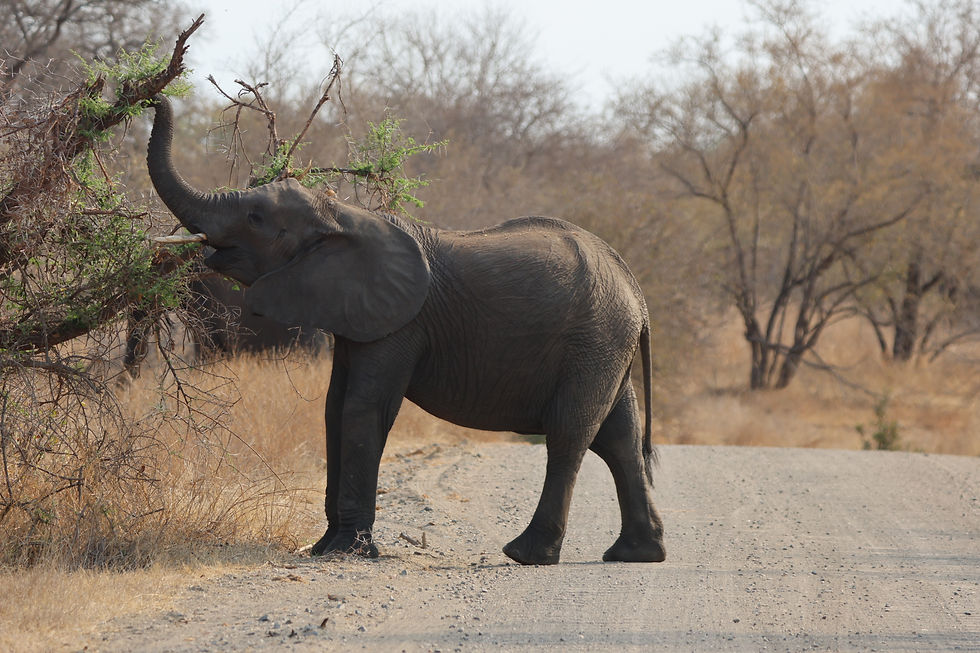
The best time to travel for a combination of safari and Cape Town
If you'd like to combine a safari and a trip to Cape Town, the shoulder seasons are particularly interesting. September to October and March to April can offer a good compromise. You can then combine a fantastic safari with pleasant conditions in Cape Town. However, the optimal time to travel always depends on your specific itinerary.
How many days should you plan for South Africa?
South Africa is vast. One of the most common planning mistakes is trying to cram too many regions into too short a time. If you want to visit Cape Town, the Winelands, the Garden Route, and Kruger National Park, for example, you should allow plenty of time.
7 bis 10 Tage
Ideal for a focused journey.
For example:
3 nights Cape Town
2 nights Winelands
3 Night Safari
This is a very good first trip to South Africa without constantly being on the go.
12 bis 14 Tage
Our recommendation for a balanced first trip.
With this you can, for example:
Cape Town with the Winelands and the Greater Kruger
combine.
Alternatively, a self-drive route along the Garden Route followed by a safari is a good option.
18 bis 21 Tage
South Africa becomes especially exciting with three weeks.
Then you can connect several regions and don't have to change accommodation every other day.
For example, two safari regions or a beach destination could be included.
Accommodation in South Africa
The wide range of accommodation options is one of South Africa's greatest strengths. From small boutique hotels and stylish guesthouses to exclusive safari lodges and private villas, almost anything is possible.
Safari Lodges
The safari lodge is an important part of the travel experience. Many high-quality lodges offer:
Few rooms, personal service
excellent guides, high-quality cuisine
Pools, spa areas
private decks, views of waterholes or rivers
Especially in the private reserves of the Greater Kruger, the location of the lodge plays a major role.

Boutique Safari-Unterkünfte
Generell bieten kleine Camps mit wenigen Suiten bieten besonders viel Privatsphäre.
Hier entsteht schnell eine persönliche Atmosphäre zwischen Gästen, Guides und Lodge-Team.
Für Honeymoon-Reisen, besondere Anlässe und anspruchsvolle Fotografen sind solche Unterkünfte besonders interessant.

Boutique hotels
Cape Town, the Winelands and along the Garden Route offer a wide selection of stylish boutique hotels.
Especially for individual tours, they are an excellent alternative to large international hotel chains.

Wine Estates
A night on a South African wine estate is far more than just an alternative to a traditional hotel. Around Stellenbosch, Franschhoek, and Paarl, you'll find historic wine estates that combine stylish accommodations with world-class cuisine, wine, and breathtaking scenery.
Many of these wineries are nestled between vineyards and mountains and offer elegant guesthouses, boutique hotels or private suites.

Family-friendly lodges
South Africa offers a wide selection of lodges geared towards families. Many accommodations feature family rooms or private villas, private vehicles, and flexible safari times. Particularly in malaria-free regions like the Eastern Cape and Madikwe, there are family-friendly safari lodges where children can be introduced to wildlife in a playful way, tailored to their age. This allows for a safari experience that can be flexibly adapted to the needs of the whole family.

Luxury camps
South Africa boasts some of the most exclusive safari lodges in Africa. Private villas, personal butlers, private pools, and individually tailored game drives are standard features at many lodges. The private reserves of the Greater Kruger, in particular, are renowned for their high-quality safari camps, which combine intensive wildlife viewing with ample privacy and first-class service.

Arrival in South Africa
Most international trips to South Africa begin in Johannesburg or Cape Town. For a safari in the Greater Kruger, a connecting flight to the Kruger region is often a good option. Depending on your accommodation, airports such as:
Skukuza
Hoedspruit
Kruger Mpumalanga International Airport
Sophie Private Airstrips
can be used.
Self-drive or private transfer?
South Africa is ideal for self-drive holidays. A rental car is particularly recommended around Cape Town, the Winelands, and along the Garden Route. For safari areas, however, we generally advise organizing transfers and game drives through your lodge. Combining a self-drive route with a fly-in safari offers exceptional flexibility.

Safety & Costs in South Africa
South Africa is very well suited for independent travel if the route is planned sensibly and a few basic rules are observed. The level of safety varies significantly depending on the region.
For travelers, this means above all:
Avoid unnecessary walking at night.
Be careful with your valuables in cities.
Do not leave any visible valuables in the car.
Use reliable routes for longer journeys.
Follow the accommodation's recommendations.
Do not drive around spontaneously in unfamiliar areas after dark.
In the classic safari areas and tourist regions, the infrastructure is well prepared for international travelers.
How much does a safari in South Africa cost?
South Africa offers an unusually wide price range. This means that both relatively affordable safari trips and very exclusive luxury safaris are possible. The price depends on several factors, including:
Accommodation
Safari area
season
Length of stay
Number of persons
Room category
private activities
Transfers
What makes a safari more expensive?
Particularly exclusive lodges with a limited number of suites, private vehicles, and highly personalized service belong to the upper price segment. Special experiences such as private vehicles, helicopter flights, or exclusive walking safaris can also increase the price. At the same time, South Africa offers many excellent lodges and camps that provide a superb safari experience at a more moderate price.

South Africa with children
Safari, nature and adventure for the whole family
South Africa is one of Africa's best safari destinations for families. The major advantage: a trip can be planned very flexibly. Relaxing days by the sea, in Cape Town, or on a farm can be incorporated between safari days. The infrastructure is well-developed, and many accommodations cater to families.
Regions with low or no malaria are particularly interesting if you are traveling with young children. Depending on your travel plans, these include, for example, parts of the Eastern Cape, Madikwe, and certain regions around Cape Town.
When choosing safari accommodation, you should consider not only the children's ages but also the activities offered. Some lodges have minimum age requirements for game drives or walking safaris.
Which safari regions are suitable for families?
Madikwe
Madikwe is an attractive option for families due to its low-malaria location and easy accessibility. The reserve is home to the Big Five and offers a wide selection of family-friendly lodges.
Eastern Cape
The private reserves in the Eastern Cape are also malaria-free and can be perfectly combined with a trip along the Garden Route. Many camps are also designed for younger guests, offering, for example, family pools in addition to adult-only pools, and proper family rooms with a double bed and two twin beds instead of extra beds.
Greater Kruger
The Greater Kruger is also very well suited for families. However, the lodge should be chosen carefully, as not every accommodation accepts children of all ages. But there are wonderful options here as well.
South Africa for photographers
South Africa is one of Africa's best destinations for wildlife photography. The combination of high animal density, experienced guides, diverse landscapes, and private reserves creates excellent conditions. The opportunity to stay longer after a sighting and observe an animal's behavior is particularly exciting.
In private reserves, vehicles may leave the official paths in certain situations. This creates photographic perspectives that are not possible in many state-run national parks.
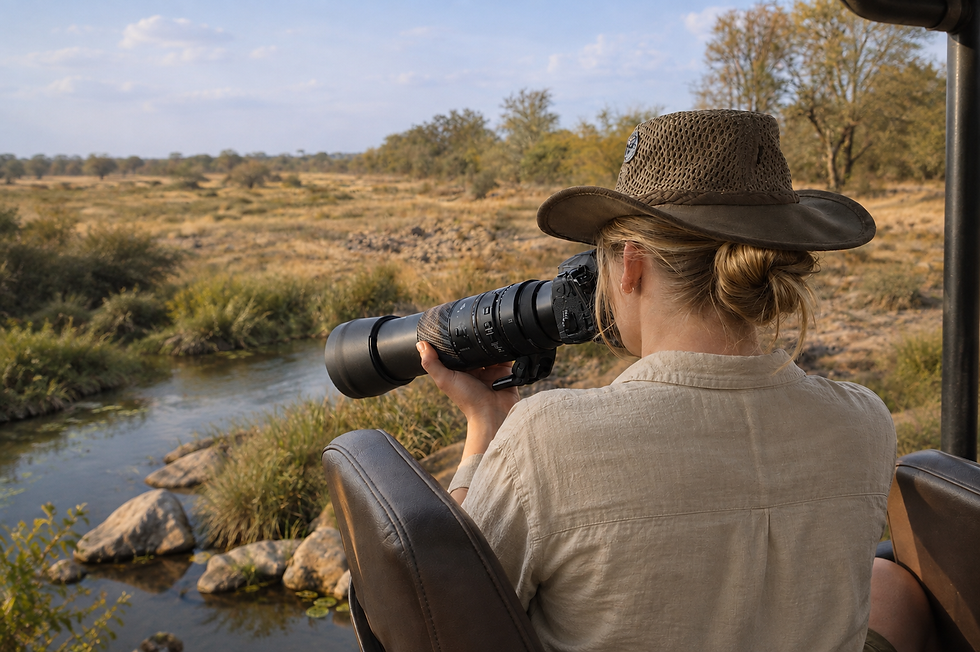
Why South Africa is so interesting for photographers
Particularly good conditions are offered by:
Leopards in the Sabi Sand
Elephants in the Greater Kruger
Lions in private reserves
Rhinos in KwaZulu-Natal
Wild dogs in selected regions
Birds and birds of prey
Landscape photography
Sunrises and sunsets
South Africa is also ideal for photographers who do not want to photograph animals exclusively.
Cape Town, the Winelands and the coast offer completely different subjects.
What photographers should consider when choosing a lodge
Not every luxury lodge is automatically suitable for wildlife photography. More important factors include:
Number of guests in the vehicle
Vehicle type
Seating position
Guide's experience
Flexibility in sightings
Number of vehicles in the reserve
Option to use private vehicles
season
Location of the lodge
If photography is a central part of your trip, then accommodation should be chosen according to photographic criteria and not solely based on design or amenities.
Sustainable tourism in South Africa
South Africa boasts some of the continent's most important wildlife reserves. Safari tourism plays a crucial role in preserving these landscapes.
Private reserves, in particular, finance part of their conservation efforts through tourism. Revenue from lodges, safaris, and concessions helps protect habitats, fund rangers, and maintain wildlife populations. The reintroduction of endangered species also has a long history in South Africa. Many reserves also invest in:
Anti-poaching
Wildlife monitoring
Protection of endangered species
Resettlement programs
Supporting local communities
sustainable agriculture
Solar energy
Water management

Sustainable travel also means making conscious choices.
Not every lodge operates sustainably just because it's located in nature. When planning our trip, we therefore pay attention to factors such as how a lodge interacts with its surroundings, its staff, and the local communities.
Even small decisions can make a difference. These include using local providers, treating wildlife responsibly, and planning a trip that doesn't try to tick off as many regions as possible in the shortest amount of time.
Our philosophy
At InfiniteWild, we believe that exceptional safari experiences always come with responsibility. That's why we prefer to work with carefully selected partners who are committed to long-term conservation, sustainable tourism, and supporting local communities.
Our goal is to create journeys that not only provide unforgettable experiences but also make a positive contribution to protecting Africa's unique nature.
Our South Africa trips
South Africa isn't a destination where a single route works for everyone. Perhaps you'd like to spend three days exploring Cape Town, then discover the Winelands, and afterwards experience an intensive safari in the Greater Kruger. Maybe you'd prefer two weeks traveling along the Garden Route in a rental car and ending with a few days in the Eastern Cape for a safari. Or perhaps you'd like to combine several safari regions and experience different landscapes and wildlife. All of these trips are possible.
Your trip should suit you.
Planning a tailor-made South Africa trip isn't about ticking off as many sights as possible on a map. We'll work together to consider:
What would you like to see?
Leopards? Elephants? Whales? Penguins? The landscape of the Western Cape?
How would you like to travel?
Rental car, private transfers, fly-in safari or a combination?
How would you like to live?
Boutique hotel, guesthouse, private villa or exclusive safari lodge?
How much time do you have?
A week can already be a fantastic trip. Three weeks, on the other hand, allow for a significantly deeper exploration.
A possible classic South Africa trip
Cape Town – 3 nights
Table Mountain, city, coast and restaurants
↓
Winelands – 2 nights
Stellenbosch or Franschhoek, wine and culinary delights
↓
Greater Kruger – 4 nights
Private safari, Big Five and intensive wildlife viewing
This combination is ideal for travelers visiting South Africa for the first time.
A trip for safari lovers
Johannesburg – 1 night
↓
Madikwe – 3 nights
↓
Greater Kruger – 5 nights
The focus here is clearly on wildlife observation.
By combining different safari regions, you can experience different landscapes and ecosystems.
A classic South Africa self-drive tour
Cape Town – 3 nights
↓
Winelands – 2 nights
↓
Hermanus – 2 nights
↓
Knysna / Plettenberg Bay – 3 nights
↓
Safari in the Eastern Cape – 2 to 3 nights
This route combines city, wine, coast, nature and safari and is particularly suitable for travelers who like to be on the go themselves.

Ready for your safari in South Africa?
Whether it's your first safari, a family trip, a honeymoon or a self-drive tour – we'll help you put together the perfect route to suit your needs.
Frequently asked questions about a safari in South Africa
Yes. The Greater Kruger in particular is one of the best safari areas in Africa.
Including Kruger National Park, Sabi Sand, Timbavati, Klaserie, Balule, Madikwe, Hluhluwe-iMfolozi and other private reserves.
For wildlife viewing in the Greater Kruger National Park, the dry winter months from approximately May to September are considered particularly good. However, South Africa can be visited year-round.
For a first trip combining Cape Town and a safari, we recommend about 10 to 14 days. With three weeks, you can combine significantly more regions.
Ja.
Besonders malariaarme und malariafreie Safari-Gebiete können für Familien interessant sein. Bei der Auswahl der Lodge sollte das Mindestalter berücksichtigt werden.
Not necessarily.
Cape Town, the Winelands, and the Garden Route are ideal for exploring by rental car. For safari areas, private transfers or domestic flights are often more comfortable.
Absolutely. The combination of Cape Town, the Winelands, luxurious safari lodges, and the coast is perfect for a honeymoon.
Yes. The Greater Kruger and the private reserves in particular offer excellent conditions for wildlife photography.
South Africa has twelve official languages, including English, Afrikaans, isiZulu, and isiXhosa. English is widely spoken throughout the country and is readily available in lodges, hotels, restaurants, and in the tourism sector.
A tailor-made trip allows you to perfectly match national parks, accommodations, and activities to your interests, travel dates, and budget. This creates a balanced itinerary with ample time for immersive nature experiences and special encounters.
Plan your individual South Africa trip
South Africa is one of the few countries where safari, city, wine, mountains, coast and cuisine can all be combined in a single trip. However, this very diversity also makes planning challenging.
The regions you combine, the lodge you choose, and how much time you spend in one place significantly determine how your trip feels.
Therefore, we do not plan your South Africa trip according to a fixed scheme, but according to your interests, your travel style and your available time.
Off to South Africa!
Let's plan your personal South Africa trip together. We'll advise you individually and develop a route that perfectly suits your wishes, travel dates, and budget.
