
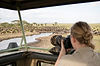
Photo safaris in Africa
Experience the African wilderness and tell the story in pictures
Focus on the moment
A safari is already an intense experience. A photo safari, however, changes how you see it.
You're not just observing a lion. You're waiting for the moment when it steps out of the shadows and the first warm light falls across its face.
You don't just see an elephant. You notice the cloud of dust behind it, the movement of its trunk, and its silhouette against the evening sky.
And suddenly, a normal animal sighting becomes a photographic story.
A good photo safari therefore doesn't simply mean taking a camera on a game drive. It's planned around photography from the very beginning.
At InfiniteWild, we can tailor your safari precisely to your needs. From specialized mobile photo safaris and trips with professional photographers to individually planned lodge safaris with photographically optimized vehicles.
It doesn't matter whether you're using a professional full-frame camera or are just starting out in wildlife photography.
The crucial factor is how you want to experience Africa photographically.

What makes a photo safari different?
The main goal of a classic safari is to discover animals and see as many different species as possible.
During a photo safari, the focus shifts.
It's about:
-
good light
-
interesting perspectives
-
Behave
-
composition
-
patience
-
clean backgrounds
-
Proximity to the subject
-
the right moment
-
sufficient time for a sighting
You might not want to see ten different animal species in one morning.
You might prefer to spend two hours with a leopard, if the conditions are right.
This may mean that your guide will not continue immediately once the animal has been spotted.
You wait. You watch.
You might change the vehicle's position.
You are waiting for better light.
And then it happens. The leopard gets up.
Look directly into your camera. And for two seconds, everything is just perfect.
These are precisely the moments that are the goal of a photographically planned safari.

What options are there for photo safaris?
There isn't just one type of photo safari. Depending on what you're looking for, we can combine different concepts.
Mobile Safari
A mobile safari is one of our most exciting options for ambitious wildlife photographers. You'll spend several days traveling with a mobile camp, changing locations together with your team.
The big advantage:
The trip itself can be very flexibly tailored to the wildlife. You're not tied to the same lodge every night. The camp follows the route.
And we can plan the trip so that as much time as possible is available for game drives and photography. Botswana is particularly well-suited for this.

Mobile Safari with a photographic focus
We can organize special mobile safaris where the group consists specifically of travelers interested in photography. This significantly changes the dynamics of a safari.
No one should feel bad for wanting to stay with a lion for ten minutes longer.
Nobody is urging them to drive on as quickly as possible because the animal has already been seen.
And nobody is complaining that the Game Drive isn't turning into the classic "ticking off the Big Five" routine.
Everyone is there to take photographs.
This means more patience, more flexibility, and more understanding that a single good sighting is sometimes more important than ten mediocre ones.
Discover our Mobile Safaris now

Photo safari with a professional photographer
Another option is to travel with an experienced wildlife photographer. One example is Charlie Summers. Charlie is a wildlife and nature photographer and filmmaker based in Botswana. His work combines wildlife, landscapes, conservation, and the stories behind Africa's natural areas. He collaborates with safari and conservation projects and offers his own guided safari experiences.
Such a trip is particularly interesting if you want to specifically develop your photographic skills.
It's not just about finding animals.
You can learn:
-
how you read your light
-
how to anticipate animal behavior
-
How to prepare your camera for action
-
how to capture movements
-
how you consciously use backgrounds
-
how to work with backlighting
-
how to find better compositions
-
how to tell a photographic story
And most importantly: you learn to see things differently.

Your own private photo safari
You don't necessarily need a special group tour. If photography is particularly important to you, we can also plan a private photo safari.
This has one crucial advantage: The vehicle belongs to you.
You don't have to make any compromises.
If you want to stay with a leopard for five hours, you can do so.
If you've had enough after an hour, you can continue.
If you want a specific viewing angle, your guide can try to position the vehicle accordingly.
And if you want to leave particularly early in the morning, the daily routine will be tailored to you.

Do I need my own vehicle?
Not absolutely necessary. But if photography is a key part of your trip, we often recommend it. A private vehicle offers you one thing above all: time.
On a typical game drive, it's possible that several guests will have different interests.
One person wants to photograph the lion. The next wants to move on.
Someone else would rather watch birds.
And the next one wants to go back for breakfast.
With a private vehicle, these compromises don't exist. You can concentrate on what's important to you photographically.
The advantages of a private safari vehicle
You set the pace
A viewing does not have to end after ten minutes.
You can optimize the position
Your guide can position the vehicle according to the sun, the background, and the movement of the animal.
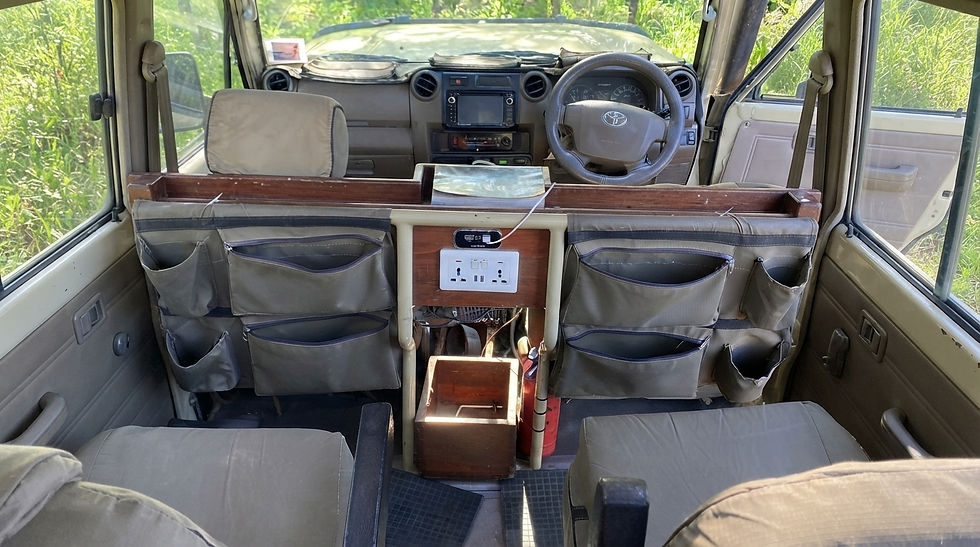
You have more space
Large telephoto lenses take up space. Two cameras take up space.
And sometimes you simply need space to move around.
You can use both sides
If an animal suddenly changes direction, it is much easier to change position.
You can wait longer
Patience is one of the most important factors in wildlife photography.
You can optimize your daily schedule
Photographically interesting lighting conditions are often found in the early morning and late afternoon.
Does it always have to be a private vehicle?
No. A photo safari can work perfectly well even in a small group, especially if the vehicle is appropriately equipped.
We then make sure that:
-
There is enough space
-
you get a good seat
-
Cameras can be safely stored
-
Bean bags are available
-
the vehicle is suitable for photography
-
the group is not too large
-
The guide has experience with photographers
For example, specially designed photo vehicles can have fewer photographers per vehicle, laterally lowerable elements and special support points for cameras.
The vehicle is your most important photography accessory.
That sounds a bit unusual at first. But on safari, your vehicle is simultaneously:
Tripod.
Viewing platform.
Storage space.
Hideout.
Means of transport.
And its design influences the types of pictures you can take. A closed vehicle with a pop-up roof offers different possibilities than an open safari Land Cruiser. A vehicle with side camera mounts is different from a standard game drive vehicle. And a vehicle with plenty of room for three or four photographers is different from one that can accommodate eight people.
Therefore, when planning, we don't just look at the accommodation. We also look at the vehicle.
Camera pads and bean bags
The bean bag trick
For many photographers, a bean bag is one of the most important pieces of equipment on safari. You place it, for example, on a door frame or a sturdy vehicle edge and position your telephoto lens on it. The bean bag conforms to the shape of the lens and provides a very stable base. This is especially helpful with long telephoto lenses.
And now for one of our favorite tricks: Just take the case with you.
A filled bean bag is relatively bulky and heavy. An empty one, on the other hand, fits easily into luggage.
On site, you can use them, for example, with:
-
rice
-
dried beans
-
lenses
fill.
This gives you a stable camera support without the added weight of packing material during the flight. A bean bag is also more practical in a vehicle than a traditional tripod, as it's easier to handle. After your trip, you can empty the contents and just take the bag home. A small detail that makes a surprisingly big difference when packing.

Why we usually don't recommend using a tripod in a vehicle
A classic tripod is often impractical on a game drive. It takes up space.
It cannot be moved quickly.
And if an animal suddenly appears on the other side of the vehicle, you don't want to have to reposition three tripod legs.
Furthermore, vibrations from the vehicle can be transmitted via rigid connections. A bean bag is significantly faster and more flexible.
A tripod can still be useful:
-
in the camp
-
for landscapes
-
for astrophotography
-
during inpatient admissions
-
during walking safaris, if it is permitted and practical

Which camera do I need?
You don't need a specific brand. Canon, Sony, Nikon, Fujifilm, Lumix, and other systems work perfectly well. What's much more important is that you really know how to use your camera.
On safari, there's no time to figure out how to adjust the autofocus in the middle of a leopard hunt.
You should know before your trip:
-
how to change the autofocus
-
how to change the shutter speed
-
how to adjust ISO
-
how to activate burst shooting
-
how to switch between portrait and landscape format
-
how to correct exposure
-
how to change the battery
-
how to change your memory card
Ideally, the camera should feel like an extension of your hand. Small group tours are available where you join an existing safari. This way, you share the safari vehicle with other travelers and can split the costs for the guide, vehicle, and sometimes even transfers. If you'd like to go to the beach afterward, the safari can be combined with a trip to Zanzibar, for example.
Which lenses do I need?
It depends on what you want to photograph. For classic wildlife photography, a telephoto lens is the most important lens in your bag.
-
A range of approximately 100–400 mm is versatile.
-
A 200–600 mm or comparable range offers significantly more reach for smaller or more distant subjects.
-
A lens in the 300–500 mm range is also excellent for wildlife photography.
Our recommendation for versatile safari equipment
100-400 mm or 150-600 mm - The all-rounders.
Good for:
-
larger animals
-
Elephants
-
Giraffes
-
Landscape with animal
-
Animals at medium distance
200–600 mm - For maximum reach.
Ideal for:
-
smaller animals
-
birds
-
shy animals
-
more distant motifs
70–200 mm - Very versatile.
Especially good for:
-
larger animals
-
Portraits
-
Animals nearby
-
Landscape with wildlife
-
People
24–70 mm - Underestimated.
With this you can:
-
Landscapes
-
People
-
Camps
-
vehicles
-
Animal and landscape together
-
Environmental shots
photograph.
14–24 or 16–35 mm
For truly vast landscapes and dramatic perspectives.
Not absolutely necessary, but great if you want to tell the story of the landscape as well as the wildlife.

Two camera bodies?
If you are serious about photography, we often recommend two bodies.
For example:
Body 1 + 100–500 mm
Body 2 + 24–70 mm
Why?
Because you don't have to constantly change lenses.
And on safari, dust is a real issue.
Every lens change increases the chance of dust getting onto the sensor. Even experienced safari photographers often recommend using two cameras for this reason.
And more importantly: if one camera fails, you still have a second one.
Teleconverters: useful or not?
A 1.4x or 2x teleconverter can be useful if you already own a good telephoto lens. It gives you additional reach, but reduces the amount of light reaching the lens and, depending on the combination, can affect autofocus speed and image quality.
We would therefore see it more as a complement, not a replacement for a good telephoto lens.
Light, perspective, and an eye for the moment
One of the most common misconceptions in safari photography is: the longer the lens, the better the picture. Not necessarily.
Sometimes, photographing an elephant with a 600mm lens to fill the frame is technically impressive.
But an elephant in a wide landscape with a 70–200 mm lens can tell the story of the place much better.
Or a lion, lying small under a giant tree. Or a giraffe silhouetted against the sunset.
Not every good wildlife photo has to be an animal portrait.
Photograph the behavior
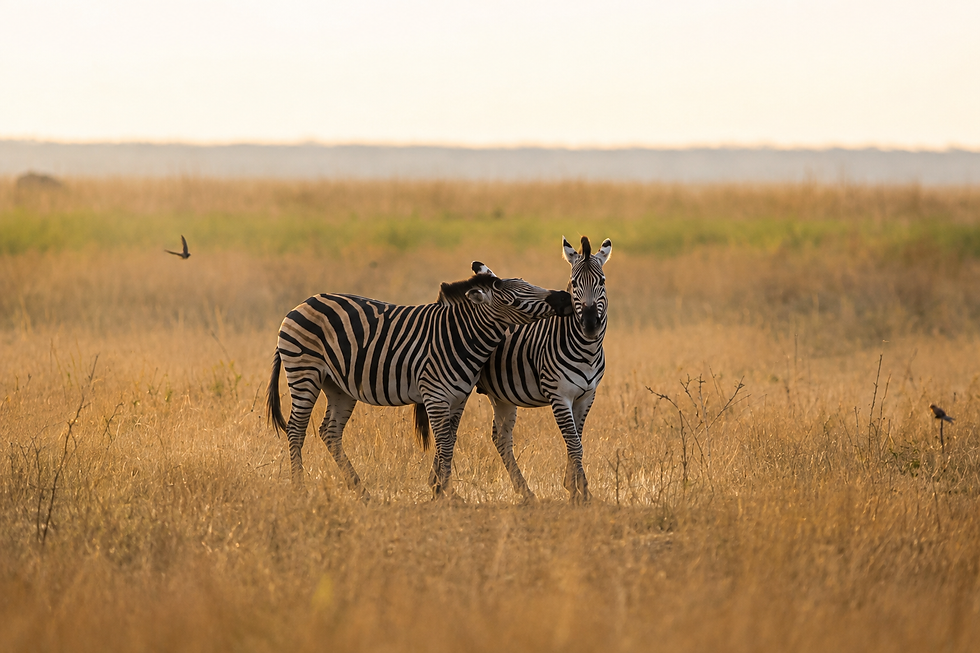
The best pictures often don't happen during a classic portrait session, but when something happens.
A lion yawns. Two elephants greet each other.
A leopard jumps into a tree.
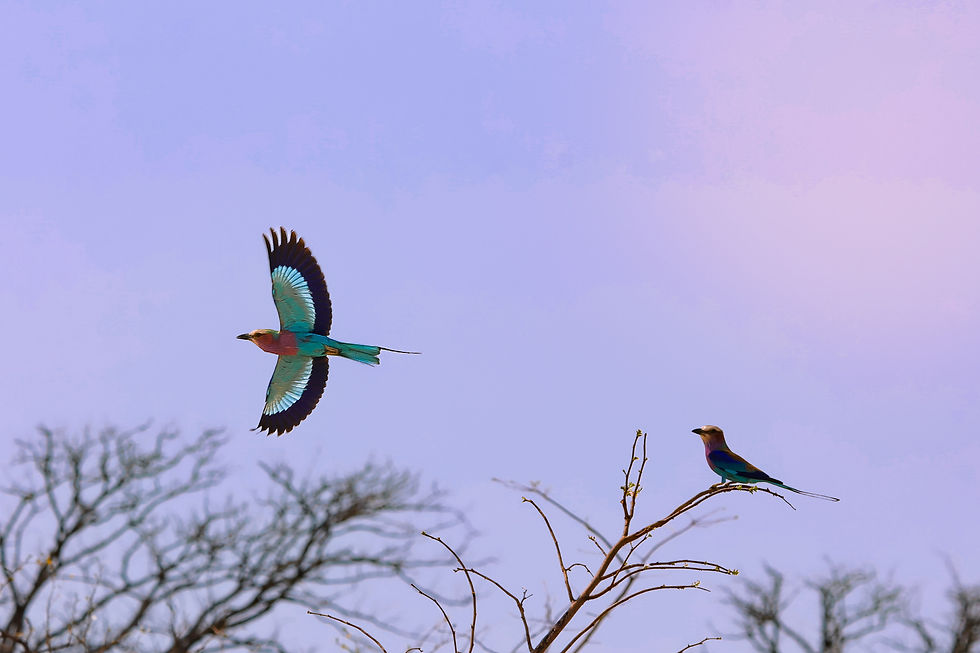
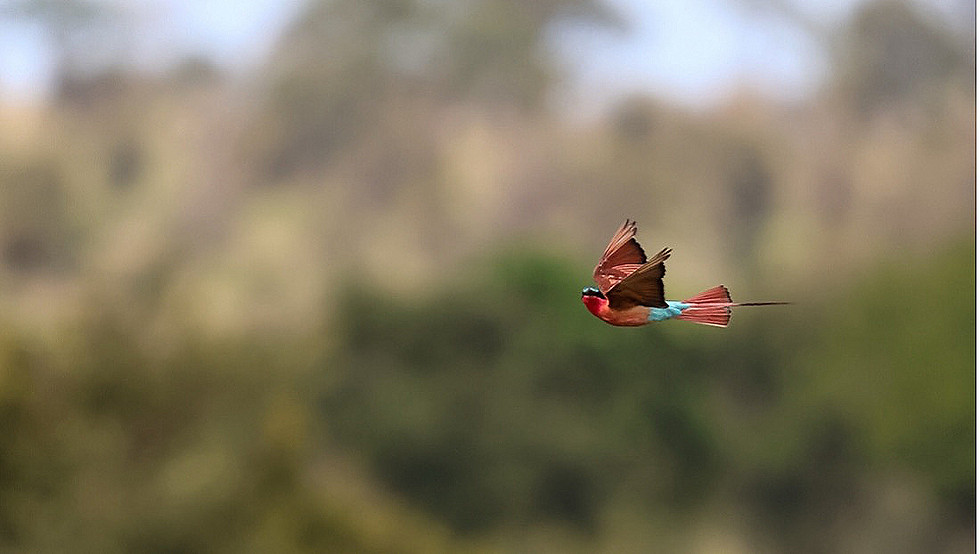
A cheetah runs. A bird takes off.
A young animal plays with its mother.
A buffalo shakes water from its fur.
Therefore, you should not only ask:
"Where is the animal?"
Rather:
"What will it do next?"
This is exactly where a good guide becomes incredibly valuable.
The guide is part of your photography equipment
A good wildlife guide can make a huge difference.
He knows the animals. He knows their behavior.
He knows the region. He can read the signs.
And he can often assess whether an animal is relaxed, getting up, hunting, or likely to move.
A guide with an understanding of photography goes a step further. He also considers:
-
Light
-
background
-
Vehicle position
-
Distance
-
View direction
-
Shadow
-
Sun position
-
possible direction of movement
A good guide doesn't just drive to the animal. He tries to position the vehicle, and therefore you, in the right photographic position.
Light is more important than the animal
You can have the rarest leopard in Africa in front of your camera. But if it's sitting on an open stretch of sand in harsh midday light, it won't automatically result in a fantastic photo.
The same animal can look completely different in warm morning light.
Particularly attractive are:
Golden Hour in the morning
and
Golden hour in the afternoon.
The low sun creates longer shadows, warmer colors, and more texture.
Therefore, a photo safari should spend as much time as possible during the best times of day for photography.
And then there's the backlighting.
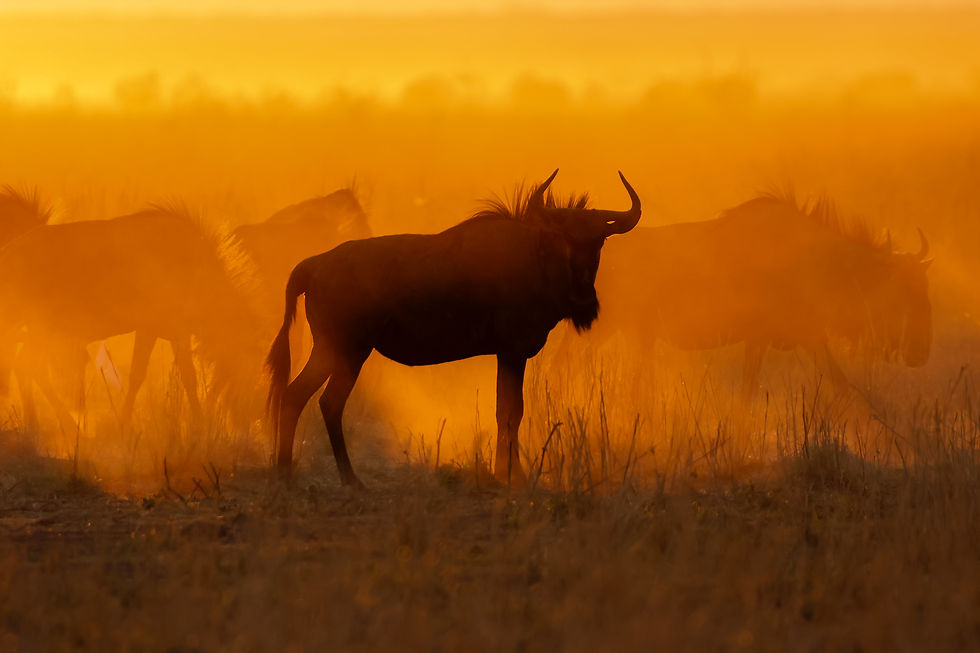
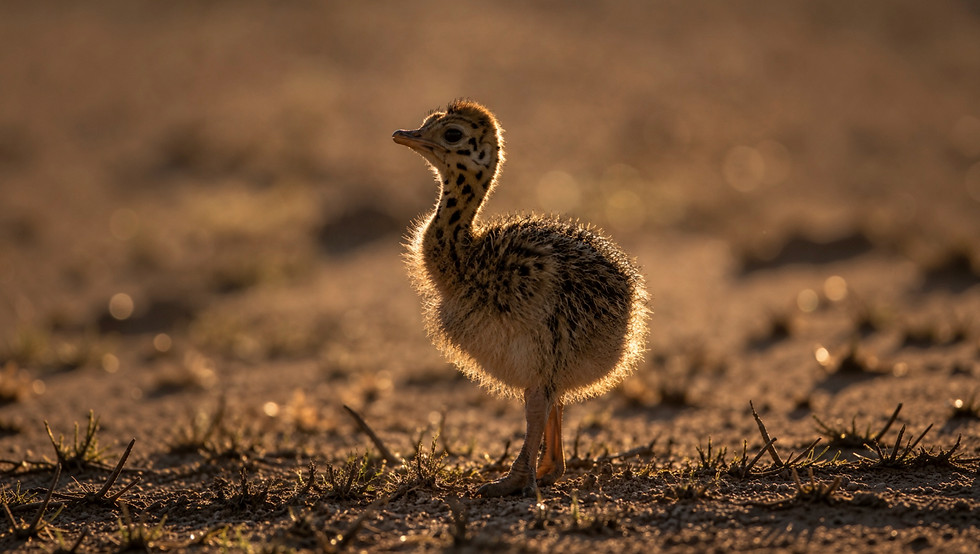
Backlighting can be tricky, but it can also be spectacular. An animal with the sun behind it can get a luminous ring around its fur or ears.
Dust becomes visible. Grasses begin to glow. Outlines stand out.
And suddenly, an image emerges that is far more emotional than a classic animal portrait. Therefore, your guide shouldn't just try to keep the sun behind you. Sometimes, deliberately doing the opposite is worthwhile.
The background matters
A sharp animal against a chaotic background might be technically well photographed, but not necessarily photographically strong.
Therefore, pay attention to:
-
calm backgrounds
-
Heaven
-
open landscape
-
soft grass
-
Shadow
-
Colors
-
lines
A good guide can sometimes move the vehicle just a few meters and thereby change the entire background.
Ten meters can make a big difference.
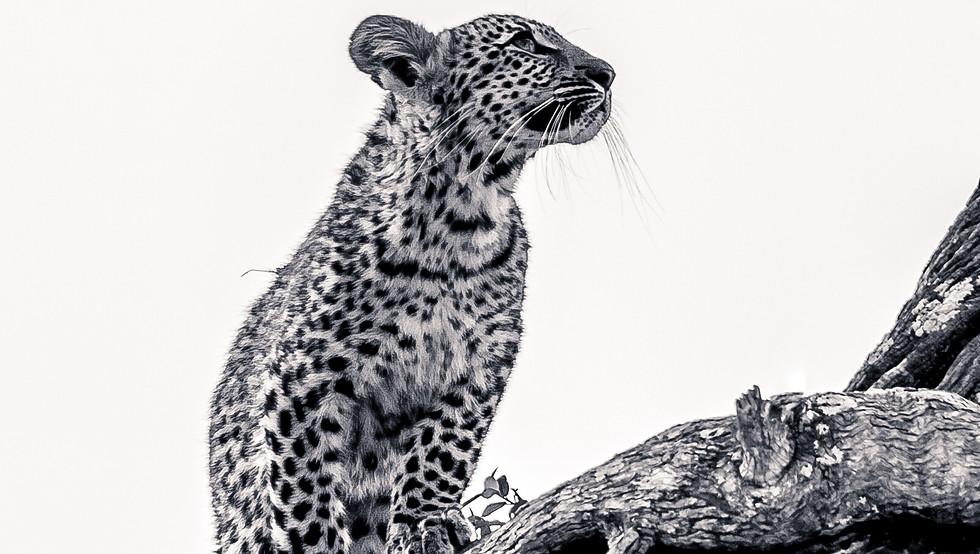
Eyes at eye level
One of the most important rules of wildlife photography: the closer you get to eye level with your subject, the more intense the image can be.
When photographing from safari vehicles, you often shoot from above. This creates a downward perspective, which can be particularly noticeable with small animals. A low camera angle, on the other hand, often makes the animal appear larger, stronger, and more immediate.
That's exactly why:
-
low vehicle positions
-
open vehicles
-
deep side windows
-
special photo vehicles
-
suitable seating positions
So interesting.
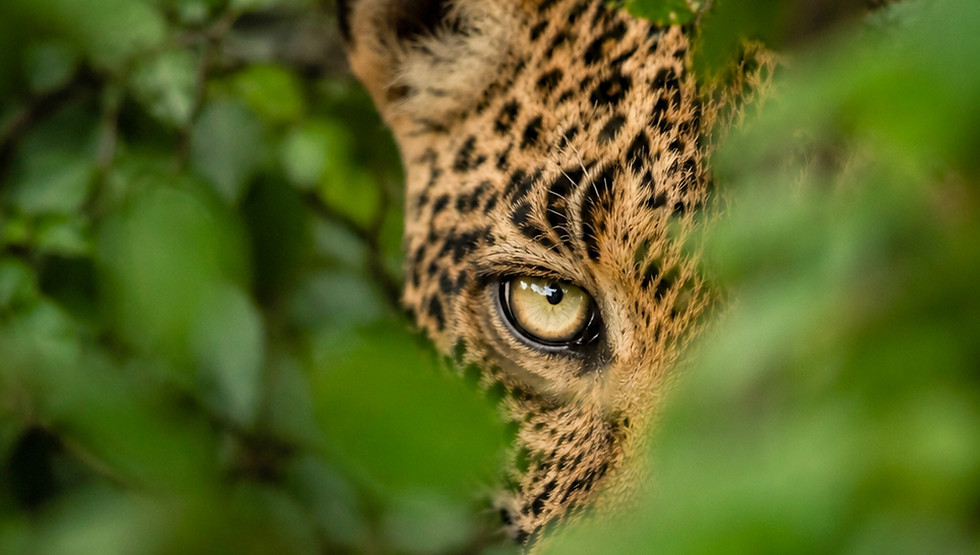
Low Angles: When you get down to eye level
A low angle can be one of the most powerful tools in wildlife photography.
Imagine a lion. Not from above.
Not with the vehicle roof in the background.
But so deep that you are almost at eye level with him.
The background becomes calmer. The animal appears more present.
And the image takes on a completely different emotional effect.
Especially in open safari vehicles, the seating position can make a huge difference. And sometimes even a slight change in the vehicle's position is enough.
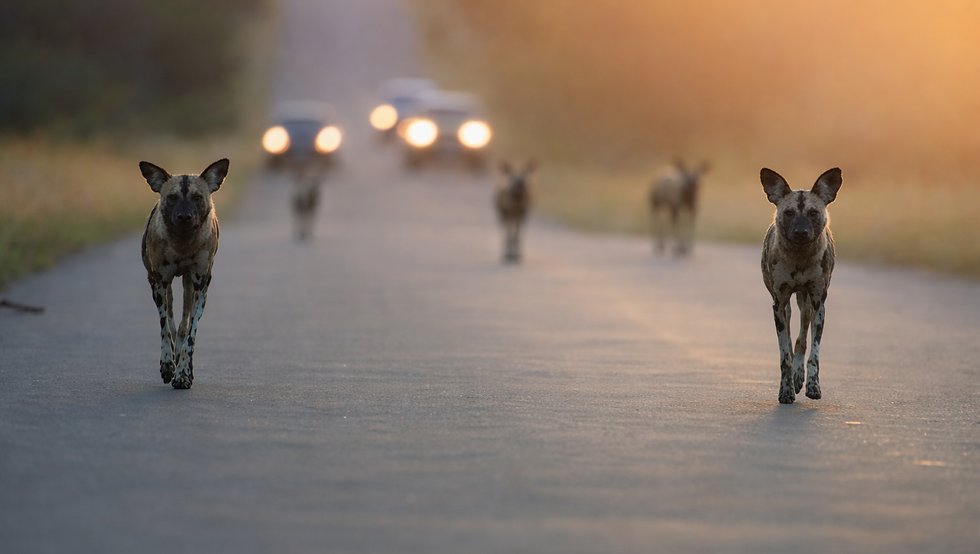
Should I take photos from the side or from the roof?
Both have advantages, depending on the subject and shot you want to photograph.
Side position
Good for:
-
Low Angles
-
Eye level
-
calm backgrounds
-
Portraits
-
smaller animals
Roof opening or open safari vehicle
Good for:
-
high prospect
-
larger animals
-
Landscape
-
Animals at a great distance
-
Scenes with multiple animals
Ideally, on a good photo safari you want to have both options.
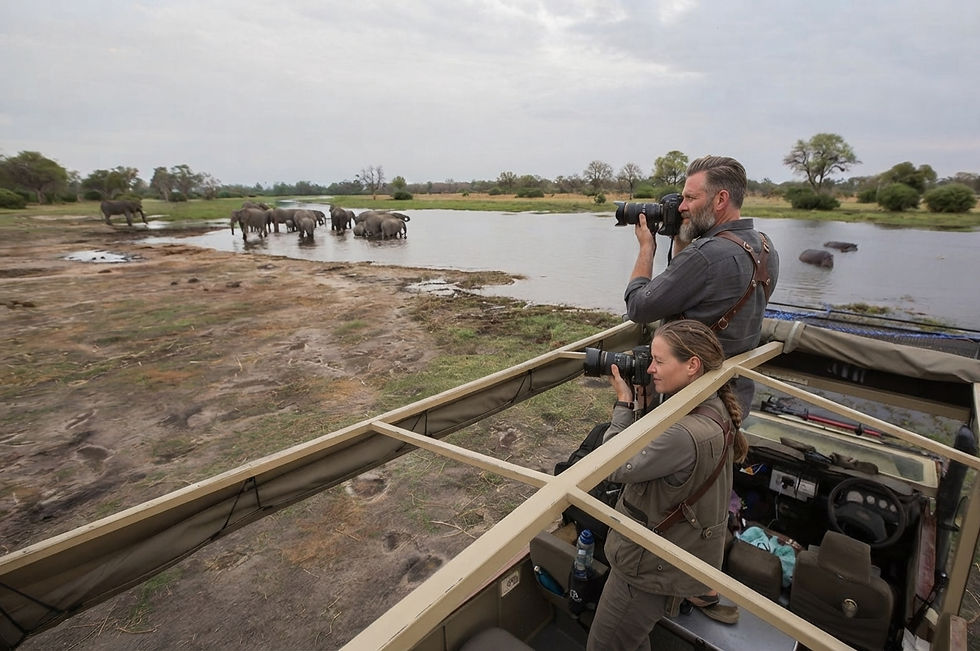
Walking safaris and wildlife photography
A walking safari is a completely different photographic experience. You're no longer protected by a vehicle. You're moving through the habitat at eye level. This completely changes your perspective. You'll probably take fewer classic animal portraits.
You can do this by:
-
Photographing tracks
-
Photographing plants
-
Discover insects
-
Photographing birds
-
Capture landscape
-
Capture small details
-
Observe animal behavior from a greater distance
And you get something that a game drive can't offer: You photograph the habitat from human eye level.
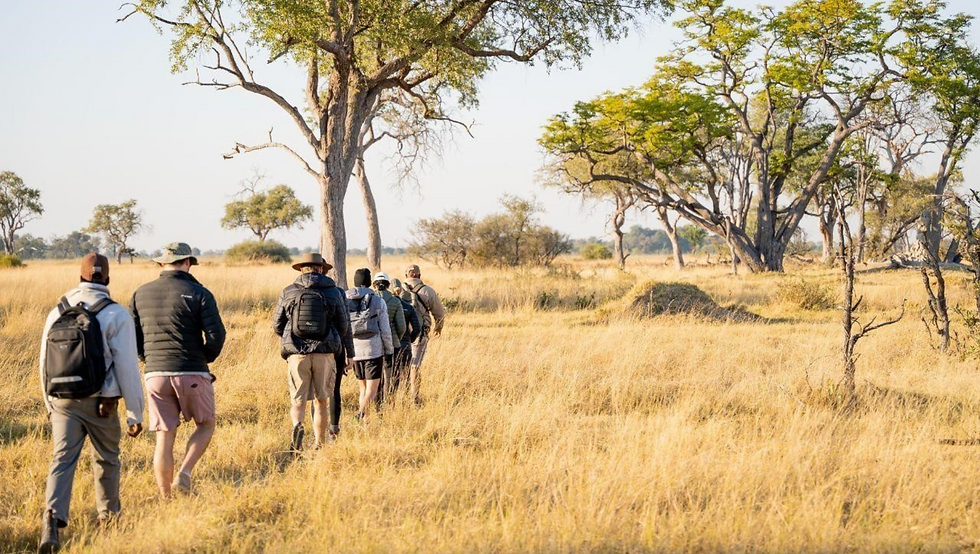
Which camera is best for a walking safari?
Here, less is more.
You don't want to be lugging three camera bodies or a 600mm lens through the bush. A versatile telephoto zoom and a smaller lens are often more practical.
For example:
18-300mm
or
70-200 mm
depending on the activity.
A lightweight tripod or monopod can also be useful depending on the walking safari. However, this depends on the specific activity and the rules of the area.
Safety in wildlife photography
One important rule: The perfect photo is never more important than safety. On a walking safari, the guide decides how close you can get to an animal.
You should never:
-
independently deviate from the path
-
chasing an animal
-
approach an animal
-
Ignore the guide
-
Try to gain a better perspective on your own.
A good guide will sometimes tell you: "Stay right here."
Even if you think you could get a better photo five meters further away.
Then you stay right there.
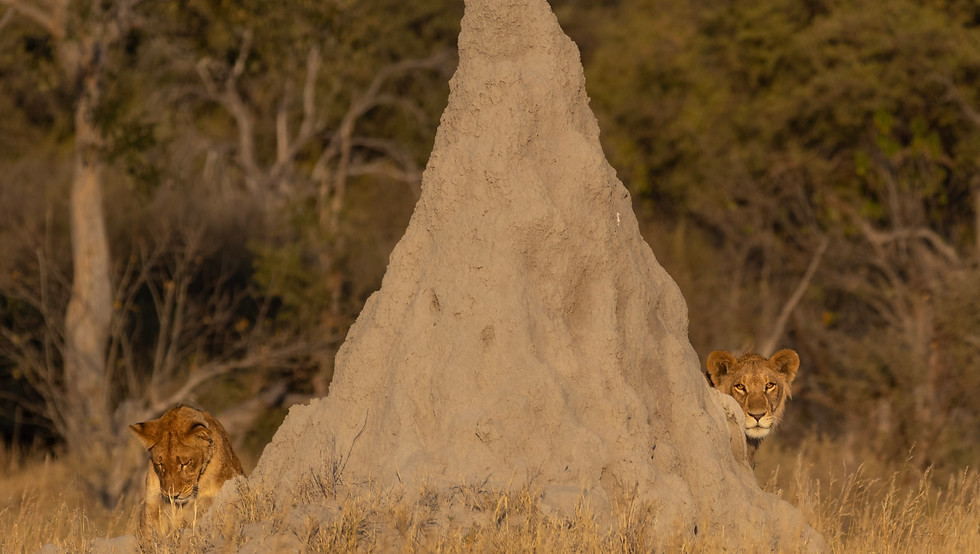
Which camera settings are useful?
There's no magic safari setting. But a good starting point for wildlife viewing is:
Animals in Motion
Shutter speed is often at least about 1/1000 of a second.
For very fast movements or birds in flight, significantly more can be useful.
Calm animals
You can significantly reduce the shutter speed.
ISO
Better a slightly higher ISO and a sharp photo than a blurry shot with a perfect ISO value.
Modern cameras perform very well at high ISO values.
Autofocus
Use animal or eye autofocus if your camera reliably supports it. But: Don't rely on it blindly.
You should know how to control the focus yourself if grasses, branches, or other animals interfere with the autofocus.
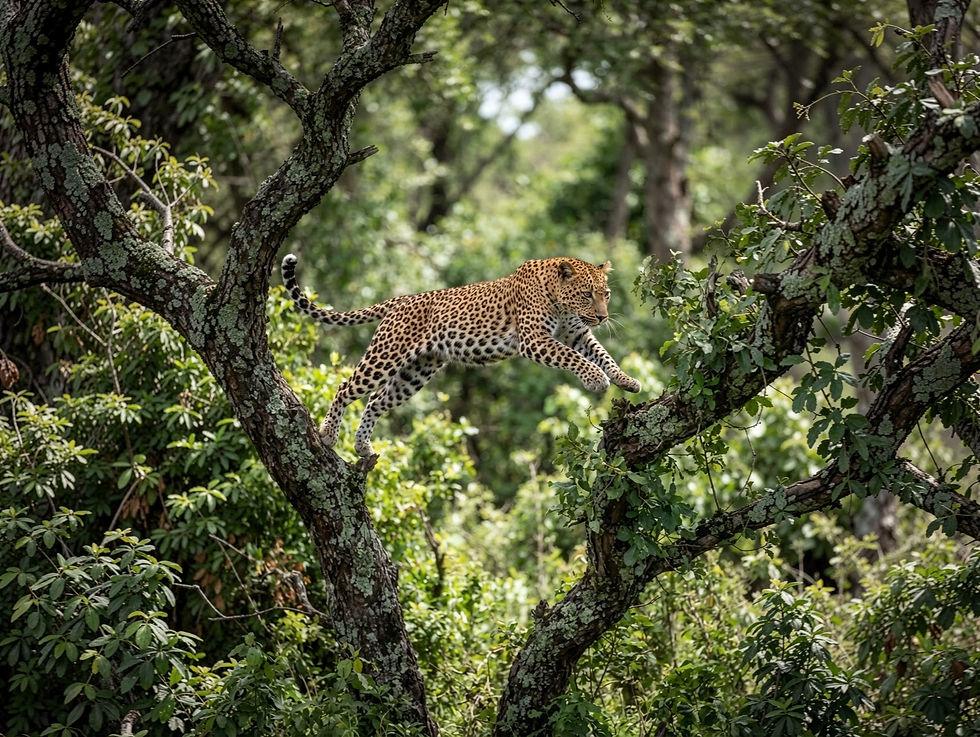
Serial mode
Wildlife is in motion. And sometimes the difference between a good picture and an exceptional one is a fraction of a second.
Burst mode can help you with things like:
-
jumps
-
yawning
-
Battle
-
wingbeats
-
Running movements
-
Interactions
-
Portraits with changing expressions
But here too, the rule is: don't just hold down the shutter button continuously. Observe first. Then take a deliberate photograph.
Memory cards: More than you think
Wildlife photography quickly produces a lot of pictures. Therefore: Bring plenty of memory cards.
And it's better to have several maps than one huge one. If one map fails, you don't want to lose all the pictures from your trip.
Even more important: backups. If possible, you should back up your pictures daily.
For example: Camera → Laptop → External hard drive.
Or via another backup system. The memory card shouldn't be your only backup.
Batteries and power supply
You wouldn't want to photograph a leopard when your camera displays "Battery Empty".
Therefore, take:
-
multiple batteries
-
charger
-
Replacement battery
-
Power bank
-
suitable adapters
For longer mobile safaris, it is advisable to clarify in advance what charging options are available in the vehicle and camp.
Especially with multiple cameras and large telephoto lenses, the power consumption can be considerable.
Dust: The invisible enemy
Africa is beautiful. But your camera will eventually see things differently. Dust is everywhere. On the roads. In the vehicle. In the camp. On your backpack. And eventually, on your camera too.
For this reason:
Avoid changing lenses if possible
Protect camera when not in use
Clean the lens regularly
Do not change the sensor unnecessarily in dusty environments.
Bring a cleaning cloth
Pack the bellows
Use a camera bag with good dust protection.
That's precisely why having two camera bodies with different lenses is so practical.
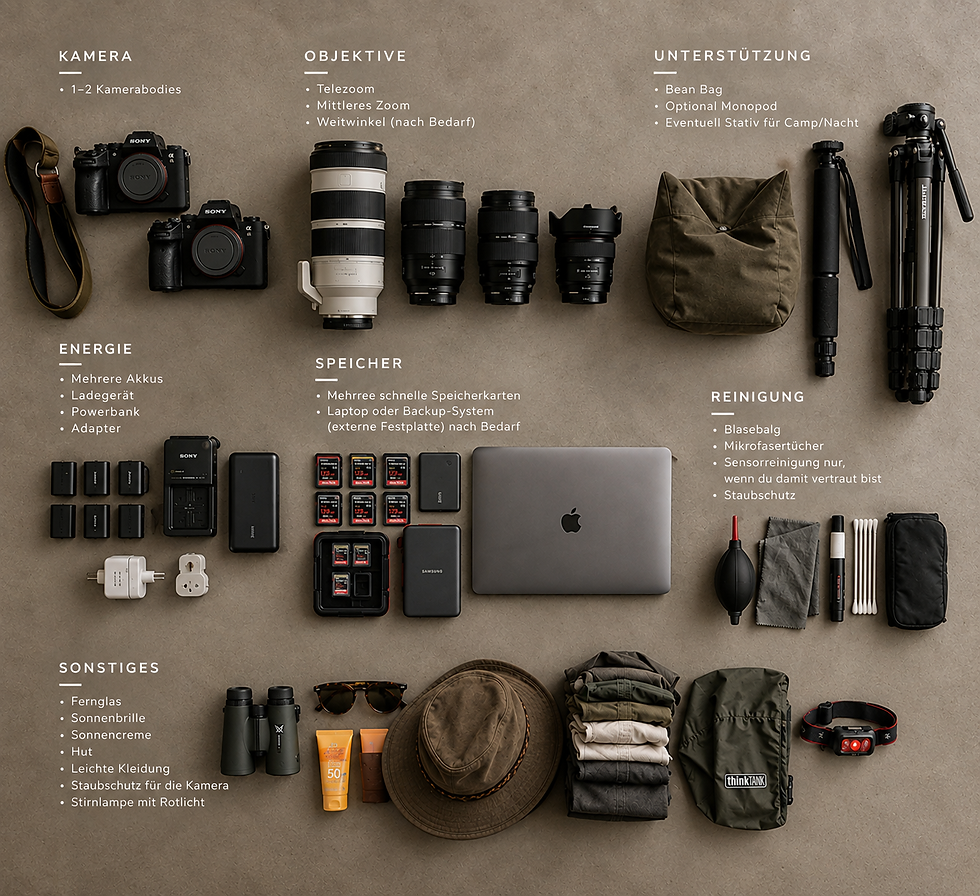
What should you pack in your camera bag?
camera
-
1–2 camera bodies
Lenses
-
telephoto zoom
-
medium zoom
-
Wide angle as needed
Support
-
Bean Bag
-
optional monopod
-
possibly a tripod for camping/nighttime use
energy
-
multiple batteries
-
charger
-
Power bank
-
adapter
memory
-
several fast memory cards
-
Laptop or backup system (external hard drive) as needed
cleaning
-
bellows
-
Microfiber cloths
-
Only clean the sensors if you are familiar with the process.
-
Dust protection
Miscellaneous
-
binoculars
-
sunglasses
-
sunscreen
-
hat
-
light clothing
-
Dust cover for the camera
-
Headlamp with red light
What about binoculars?
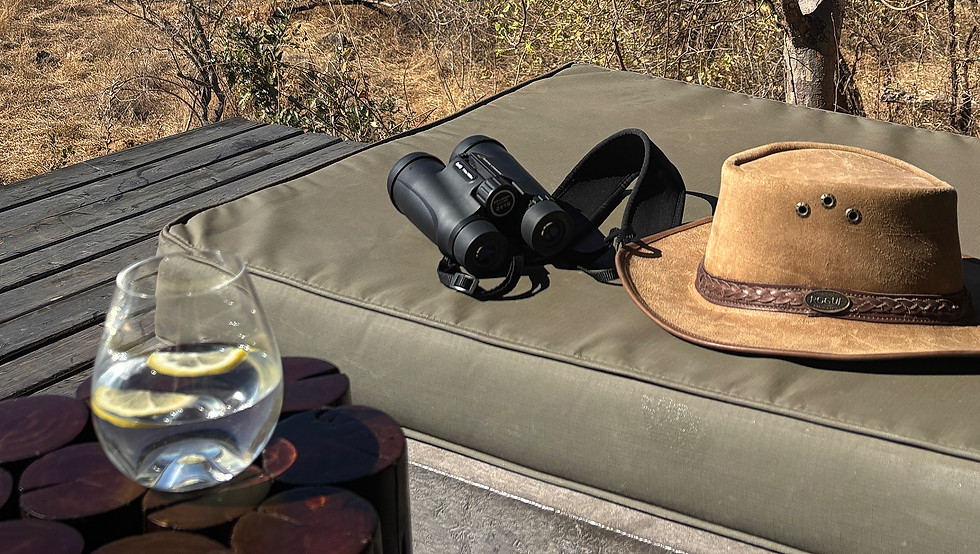
A camera is no substitute for binoculars. While taking a photo, you can't observe your entire surroundings at the same time.
Binoculars will help you:
-
Discover animals early
-
Observing behavior
-
Identifying birds
-
to see distant animals
-
to search for possible motives
Especially on a photo safari, it's useful to alternate between observing and photographing. Because sometimes you miss the real experience if you only look through the viewfinder.
Don't just photograph the animal.
A good safari story consists of more than just animal portraits. Photograph:
The animal - portraits, behavior and action.
The surroundings - savannah, forest, water, mountains.
Small details - paws, eyes, feathers, plants, tracks.
People - guides, camp staff and local communities (ask for permission beforehand and remain respectful).
Movement - dust, water, wings, running animals.
Light - sunrise, backlighting, shadows.
The in-between
An empty safari vehicle. A campfire.
A pair of binoculars on the table. Footprints in the sand.
These pictures will later tell the story of your journey.
How many days should a photo safari last?
If photography is the main reason for your trip, we wouldn't recommend planning too short a safari. A three-night safari can yield fantastic images.
But the longer you stay, the greater the chance of:
-
different lighting conditions
-
different behaviors
-
several animal sightings
-
Weather change
-
special moments
-
rare species
-
exceptional situations
For a true photo safari, at least five to seven safari nights are often much more sensible than a short safari module.
And if you have a specific photographic goal, such as leopards, wild dogs or a particular species of bird, a longer trip can be especially worthwhile.
The best time to travel for photography
It depends a lot on your subject. For classic wildlife photography, the drier months are often interesting because animals are easier to find and the vegetation is less dense.
But:
The best time is not automatically the best time for every subject.
Green landscapes can be photographically spectacular.
Clouds can make sunrises more dramatic.
Rain can wash dust out of the air and intensify colors.
And young animals are often particularly interesting at certain times of the year.
Therefore, we don't simply plan according to a general "best time to travel", but according to what you want to photograph.
Photographic destinations in our portfolio
We can plan photo safaris in various regions of Africa. Below you will find an overview of the best places to photograph.
Botswana
Wild dogs
Elephants
Lions
Leopards
Okavango Delta landscapes
Mababe or “Little Serengeti”
Water and Wildlife
mobile Safaris
intense wilderness experiences
Tanzania
Serengeti
Large, open landscapes
big cats
Great Migration
Elephants
Ngorongoro
classic wildlife photography
Kenya
Masai Mara
Big cats
Great Migration
Elephants
Amboseli
Landscapes with Kilimanjaro
South Africa
Extremely versatile.
From:
Kruger National Park
private reserves, such as Greater Kruger National Park or Babanango
Leopards
rhinoceroses
Big Five
...including wineries, landscape photography, coasts and their inhabitants.
Namibia
Landscape
Desert
dramatic expanse and play of light
Oryx antelopes
Elephants
Cheetahs
Desert lions, rhinoceroses and elephants
And of course, we can also combine wildlife photography with a classic Namibia self-drive tour.
Generally, all of our safari destinations are interesting for photographers. However, we do not offer specific photo safaris in the other regions.
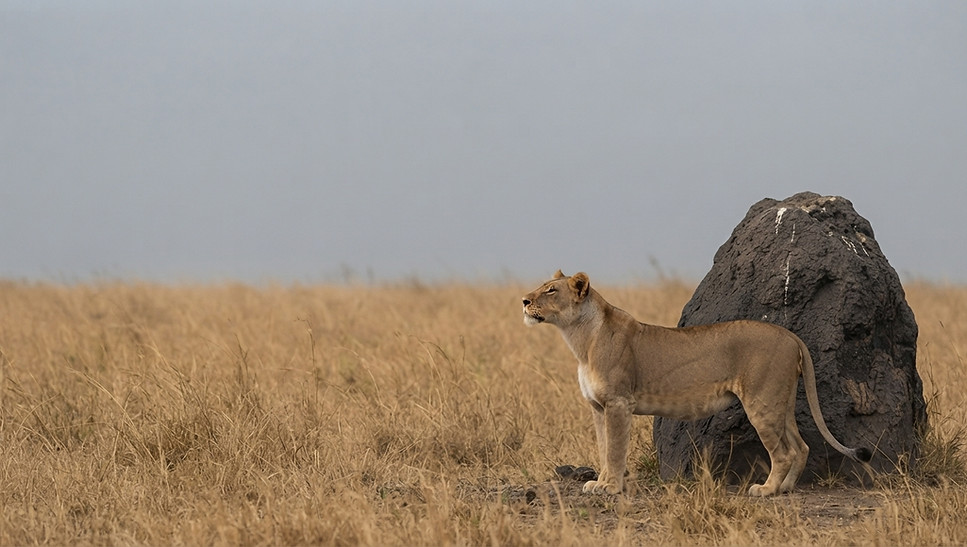
Photo safari and self-drive
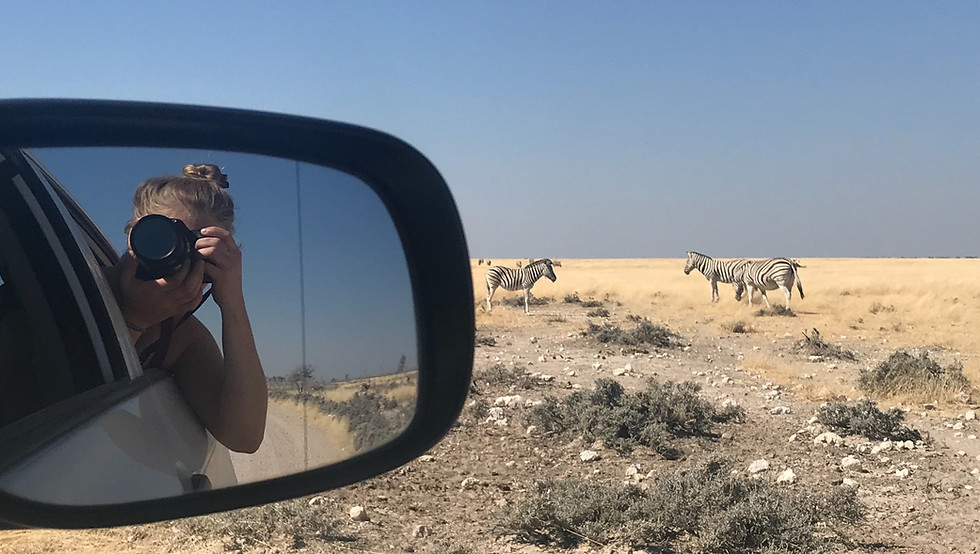
For experienced photographers, self-drive photography can be incredibly exciting. You can decide for yourself where to stop.
You can wait for an animal. And you are completely independent.
However, you should keep the following in mind:
You can't drive perfectly and take photos at the same time.
Especially in national parks, it's crucial that you adhere to the applicable rules and don't leave your vehicle. For serious wildlife photography, we therefore often recommend a guided safari or a combination of self-drive and private game drives.
Why the combination is often perfect
For example:
Namibia Self Drive
You photograph landscapes, deserts and wildlife on your own.
Thereafter:
3-4 night private safari
You have your own vehicle, an experienced guide, and can concentrate fully on wildlife photography.
This way you get both: freedom and photographic expertise.
Photography and Conservation
Wildlife photography can be more than just a beautiful picture. A good picture can give people access to an animal species they might never see themselves.
It can tell stories about habitats.
It can draw attention to endangered species.
And it can show why protected areas and conservation are so important.
That's why it's important to us that photo safaris aren't just about taking the most spectacular pictures. The animals and their habitat always come first.
A good photograph isn't created by putting an animal in an unnatural situation. It's created by recognizing the right situation and patiently waiting for it.
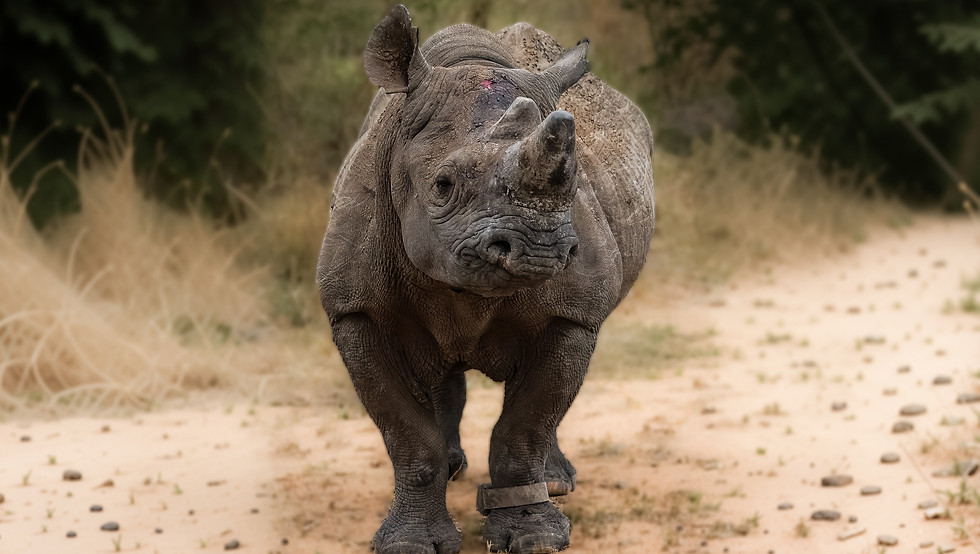
The most important rule of wildlife photography
Wildlife photography can be more than just a beautiful picture. A good picture can give people access to an animal species they might never see themselves.
It can tell stories about habitats.
It can draw attention to endangered species.
And it can show why protected areas and conservation are so important.
That's why it's important to us that photo safaris aren't just about taking the most spectacular pictures. The animals and their habitat always come first.
A good photograph isn't created by putting an animal in an unnatural situation. It's created by recognizing the right situation and patiently waiting for it.
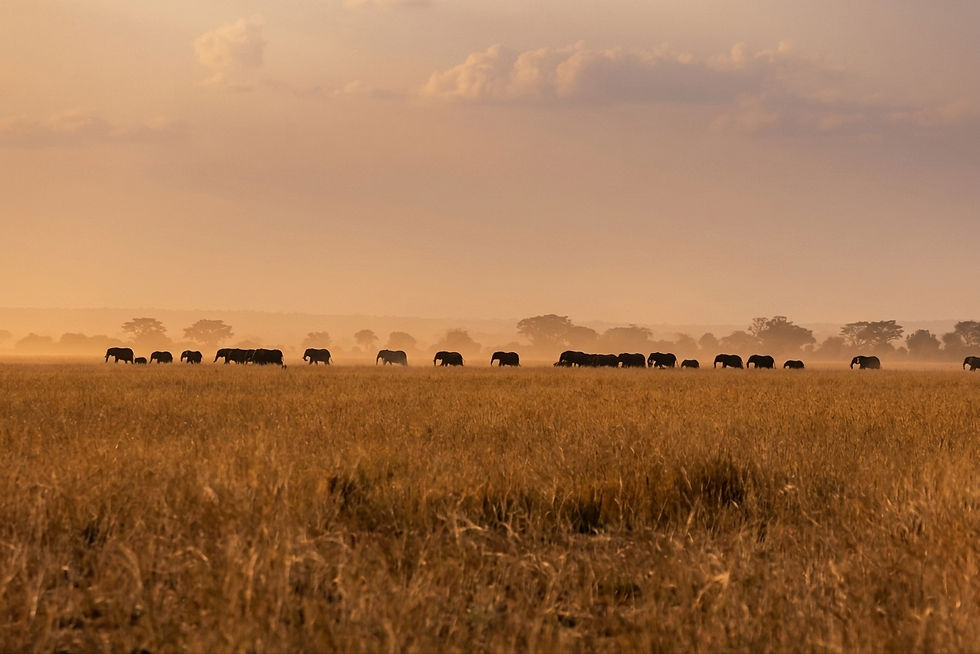
Your photo safari doesn't begin with the camera.
It begins with the question: What would you like to photograph?
Big cats? Elephants?
Birds? Wild dogs?
Landscapes? Action?
Or simply the stories that emerge between all these motifs?
Then we'll decide where you should travel, when you should travel, and how your safari should be structured.
Perhaps a mobile photo safari in Botswana is perfect.
Perhaps a private safari in Tanzania.
Perhaps a photographically optimized lodge safari in South Africa.
Perhaps a trip with an experienced photographer.
Or a combination of self-drive and private game drives.
Your camera is just the tool.
We make sure you're in the right place where a good idea can become an extraordinary picture.
Frequently asked questions about photo tours in Africa
No. You can take fantastic pictures even with a good entry-level camera. What's much more important is that you know how to use your camera.
For wildlife photography, we generally recommend a telephoto lens. A range of approximately 100–400 mm is very versatile, while 200–600 mm offers greater reach.
No. It can be fantastic, but it's not necessary. A good 100–500 or 100–400 mm lens can be ideal for many situations.
Not necessarily. However, if photography is a major part of your trip, we often recommend two camera bodies so you have to change fewer lenses and have a backup.
We highly recommend it. Some of our partners provide bean bags on their safari vehicles. You should confirm this before your trip.
Yes. A good trick is to only take the empty casing and fill it with rice, beans, or lentils on site.
Usually not in a safari vehicle. However, a tripod can be useful for walking safaris, landscapes, or night photography.
No. But for serious photographers, a private vehicle is often the best solution because you can determine your own time and location. Alternatively, it's worth booking a photography-focused safari with us. That way, you'll be in a vehicle with like-minded people.
You can stay longer at sightings, position the vehicle for better perspectives, and don't have to consider other guests.
Yes. Special photographic group tours can be a very good way to share costs and still travel with other photographers.
Yes. Botswana in particular is ideally suited for mobile safaris with a focus on photography.
Yes. Depending on the trip and availability, we can organize trips with experienced photographers.
Absolutely. They offer a completely different perspective and are particularly suitable for landscapes, smaller animals, birds, tracks, and environmental photography.
It depends on the specific walking safari. Safety and weight are paramount. We'll advise you based on the route and activity. Generally, we recommend more compact lenses like an 18-300mm.
In wildlife photography, the lens is often crucial for range and light sensitivity. However, a good autofocus system and the camera's ease of use are also important.
Extremely important. A guide with experience in wildlife and photography can make a significant difference in positioning, lighting, behavior, and timing.
Yes. We can already take your photographic priorities into account when choosing accommodation, vehicle, seats, game drives, and guide.
A tailor-made trip allows you to perfectly match national parks, accommodations, and activities to your interests, travel dates, and budget. This creates a balanced itinerary with ample time for immersive nature experiences and special encounters.