
Safari in Tanzania – Where Africa finds its greatest stage
There are places where nature seems bigger than anything else.
The Serengeti is one of them. When thousands of wildebeest stretch to the horizon, lions rest in the shade of an acacia tree, and hot air balloons glide silently over the savannah, it quickly becomes clear why Tanzania has been one of the world's most important safari destinations for generations.
But Tanzania is much more than the Serengeti.
The country boasts some of Africa's most spectacular landscapes. From the snow-capped peak of Kilimanjaro to the biodiverse Ngorongoro Crater and the remote wilderness areas in the south, Tanzania offers an extraordinary variety of nature experiences.
Added to this is the sheer size of the country. Many national parks feel more pristine and expansive than in other safari destinations. In some regions, you can spend hours on safari without encountering another vehicle. Instead, the rustling of the grass, the call of an osprey, or the distant trumpeting of an elephant herd dictate the rhythm of the day.
Whether a classic safari through the famous Northern Circuit, a luxury fly-in trip, a photographer's safari or a combination of wilderness and the dream beaches of Zanzibar – Tanzania offers countless opportunities to experience Africa intensely and authentically.
On this page you will learn which regions are particularly worthwhile, when the best time to travel is, which animals you can expect to see and how to plan your individual safari through Tanzania.

Why Mauritius?
Few other countries boast as many world-famous natural wonders as Tanzania.
Here you'll find the Serengeti, one of the most famous wildlife reserves on Earth. The Ngorongoro Crater is considered one of Africa's most extraordinary ecosystems. In Tarangire National Park, huge herds of elephants roam among ancient baobab trees, while Ruaha National Park and Nyerere National Park remain hidden gems for those seeking to experience wilderness in its purest form.
However, what makes Tanzania special is not just the diversity of its national parks.
It's the feeling of vastness.
Many landscapes seem almost boundless. Game drives lead through open savannas, along large rivers, or past lakes where flamingos and other water birds gather. Even in familiar regions, you often retain the feeling of being in the heart of untouched nature.
At the same time, Tanzania offers the perfect safari for almost every travel style.
First-time visitors will experience some of Africa's most famous national parks in the Northern Circuit. Experienced safari travelers will discover remote wilderness areas in the south and west of the country. Photographers will benefit from exceptional light and high wildlife density, while luxury travelers can choose from a variety of exclusive safari camps and lodges.
Another major advantage is the ability to combine safari and beach time. After days of wildlife viewing, the white sandy beaches of Zanzibar or other islands in the Indian Ocean are easily accessible.
Tanzania is not a destination for individual highlights. It is a country that captivates with its diverse landscapes, its extraordinary wildlife, and the feeling of genuine wilderness.


Tanzania at a glance
Capital city
Largest city
Size
Resident
Language
currency
Time zone
entry
Safari possible
Best time to travel
Highlights
Port Louis
Port Louis
approx. 1,865 km²
approximately 1.24 million
English, French & Mauritian Creole
Mauritius Rupee (MUR)
UTC +4
Visa requirements depend on nationality; German citizens are visa-free for tourist stays.
Not a classic safari; nature and wildlife experiences.
May to October
White sandy beaches, turquoise lagoons, Le Morne, Black River Gorges, Chamarel, snorkeling & diving, Mauritian culture

Where is Mauritius?
Tanzania lies on the east coast of Africa and borders Kenya, Uganda, Rwanda, Burundi, the Democratic Republic of Congo, Zambia, Malawi, and Mozambique. To the east, a long coastline stretches along the Indian Ocean, which includes the Zanzibar archipelago.
With almost one million square kilometers, Tanzania is one of the largest countries in Africa. This enormous area means that landscapes and climate zones vary greatly.
In the north, vast savannas, volcanoes, and the Great Rift Valley dominate the landscape. The west is characterized by dense forests and remote national parks, while the south is defined by large river systems and virtually untouched wilderness.
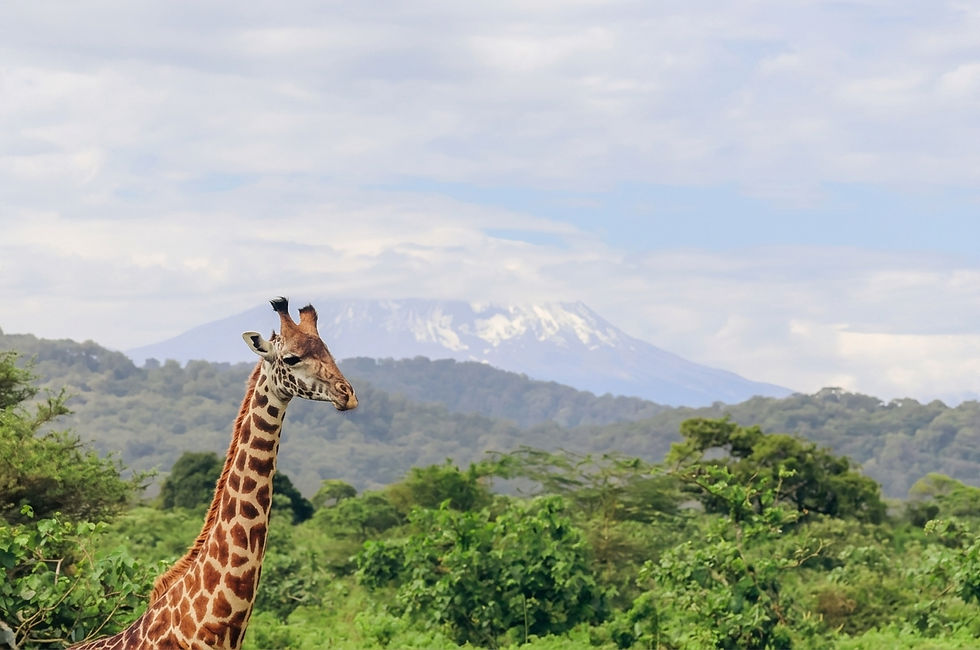
Mount Kilimanjaro, the highest mountain in Africa, is also located in Tanzania. Its snow-covered peak rises to 5,895 meters and forms a striking contrast to the savannas of the north.
This diverse landscape makes Tanzania a travel destination that offers far more than classic game drives.
Mauritius – Relaxation with extraordinary diversity
Many visitors spend their entire vacation at the resort. However, it's well worth exploring Mauritius beyond the hotel grounds. The island is small enough to encompass diverse landscapes and regions, and at the same time surprisingly varied.
Between colorful markets, small fishing villages, historical sites, and tropical gardens, Mauritius reveals a side that surprises many travelers. Inland, verdant sugarcane fields alternate with volcanic mountain landscapes, while along the coast, small bays, coral reefs, and expansive beaches await. In Black River Gorges National Park, you can hike through dense forest, enjoy spectacular views from Le Morne Brabant, or discover the vibrant landscapes around Chamarel.
Mauritius is also worth a visit for its culinary offerings. The cuisine blends Creole, Indian, Chinese, African, and French influences, reflecting the island's history. You can often experience this fusion more directly in local markets and small restaurants than in the large resorts.
A completely different world unfolds on the water. Snorkeling, diving, kayaking, or a private boat tour will bring you closer to the coral reefs and the tropical marine life. With a bit of luck, you might spot dolphins, while the offshore islands and lagoons are ideal spots for a relaxing day on the water.
This combination is precisely what makes Mauritius so appealing for a customized trip. You can consciously slow down for a few days, while simultaneously venturing out again and again to discover new facets of the island. Perhaps your day begins with a hike through the mountains and ends in the afternoon on a secluded beach. Or you could combine a few days in the south with a stylish resort stay in the north.
Mauritius doesn't have to be a holiday where you have to choose between relaxation and exploration. The island offers both – and can be tailored exactly to your travel preferences.

What sets Mauritius apart from other beach destinations
Mauritius combines the classic image of a tropical island with an astonishing diversity of landscapes and culture. While many beach destinations are primarily known for their coastline and resorts, Mauritius offers much more to explore far beyond the ocean. Volcanic mountains, tropical forests, waterfalls, and sugarcane fields characterize the island's interior, while coral reefs, lagoons, and small offshore islands await along the coast.
Added to this is the island's cultural diversity. African, Indian, Chinese, French, and Creole influences have shaped Mauritius over centuries and are still visible today in its cuisine, architecture, religion, and daily life. A visit to a local market or a small fishing village therefore feels completely different from a day at a resort.
The size of the island also plays a role. Mauritius is relatively easy to explore without having to constantly travel long distances. You can combine a relaxing beach holiday with hikes, culinary experiences, water sports, and cultural excursions, and then return to your resort.
This very combination makes Mauritius particularly appealing to travelers who don't see relaxation and exploration as mutually exclusive. The island offers the comfort and privacy of a high-quality beach vacation, while simultaneously providing enough variety to discover new facets even after several days.
Who is Mauritius suitable for?
Mauritius is diverse and appeals to a wide range of travelers.
The island is particularly suitable for:
-
Honeymoon
-
Luxury travel
-
Families
-
beach holiday
-
active travelers
-
Golfers
-
connoisseur
-
Individual travelers
Mauritius is also one of the most popular travel destinations in Africa as the final stop on a safari.
Why a trip to Mauritius is worthwhile
Home of the Serengeti and the Ngorongoro Crater
Scene of the Great Migration
Vast national parks with impressive wilderness
Excellent chances of making the Big Five
Great diversity of landscapes and ecosystems
Safari and Zanzibar can be perfectly combined
Exclusive safari camps and luxury fly-in safaris
Year-round safari opportunities with different seasonal highlights
Dreamlike beaches & lagoons
Spectacular mountain landscapes
Le Morne Brabant
Black River Gorges
Snorkeling & Diving
Diverse cuisine
Creole culture
Luxury & Privacy
The most beautiful regions in Mauritius
Mauritius may be a relatively small island, but each region has its own distinct character. While the north boasts lively coastal towns and marinas, the south offers rugged coastal landscapes and breathtaking natural scenery. The west entices visitors with stunning sunsets, while the east is known for its tranquil lagoons and luxurious resorts.
Depending on the type of trip you are planning, it is worthwhile to combine different regions.
The North
Lively, diverse and ideal for exploration

The north is one of the most popular regions of the island. Around Grand Baie you will find stylish restaurants, small boutiques, cafes, marinas and numerous water sports opportunities.
Thanks to the generally calm sea, the region is ideal for swimming, snorkeling and catamaran trips.
Some of the island's most beautiful beaches are also located in the north.
Highlights
-
Grand Baie
-
Pereybere Beach
-
Trou aux Biches
-
Mont Choisy Beach
-
Restaurants and nightlife
-
Catamaran excursions
The West
Dream beaches and spectacular sunsets

The west coast is one of the sunniest regions of Mauritius. It is home to well-known places like Flic en Flac and the Le Morne peninsula, which many visitors consider to be among the most beautiful landscapes on the island.
The water is usually calm and is ideal for swimming, stand-up paddling or snorkeling.
With a bit of luck, you might even spot dolphins off the coast.
Highlights
-
Le Morne Brabant
-
Flic en Flac
-
Dolphin watching
-
Dreamlike sunsets
-
Water sports
The south
Pristine nature and spectacular coastlines

The south of Mauritius showcases its most pristine side. Steep cliffs, dense rainforest, and a rugged coastline dominate the landscape. Many visitors take day trips to Chamarel, the Seven Coloured Earth, or Chamarel Waterfall. Those who enjoy hiking or photography will find some of the island's most beautiful scenery here.
Highlights
-
Chamarel
-
Seven Coloured Earth
-
Chamarel Waterfall
-
Black River Gorges National Park
-
Spectacular viewpoints
The East
Forest, lake and tree climbing lions

The east coast is known for its luxurious resorts and long, white sandy beaches. Thanks to its sheltered lagoons, this region is ideal for relaxation. Many of the island's most exclusive hotels are located directly on the seafront here. Honeymooners, in particular, appreciate the tranquil atmosphere and high level of comfort.
Highlights
-
Belle Mare
-
Île aux Cerfs
-
Exclusive beach hotels
-
Calm lagoons
-
Golf courses
Port Louis
Culture, history and cuisine
The capital city, Port Louis, is the island's economic and cultural center. Here, modern buildings stand alongside historic colonial architecture and vibrant markets.
Particularly worth seeing are:
-
Central Market
-
Caudan Waterfront
-
Blue Penny Museum
-
Aapravasi Ghat (UNESCO World Heritage Site)
A visit is especially worthwhile if you want to get to know Mauritius beyond the beaches.
Dream beaches and lagoons

Mauritius is one of the most beautiful beach destinations in the world. Almost the entire island is protected by a coral reef, creating tranquil lagoons with crystal-clear water in many places.
Some of the most beautiful beaches include:
-
Trou aux Biches
-
Belle Mare
-
Flic en Flac
-
Le Morne Beach
-
Mont Choisy
-
Pereybere Beach
Each beach has its own character – from lively seaside resorts to almost deserted bays.
Nature and National Parks

Many visitors associate Mauritius solely with beach holidays. However, the island boasts a surprisingly diverse natural landscape. At its heart lies the Black River Gorges National Park.
Here's what you can expect:
-
Tropical rainforest
-
Waterfalls
-
Rare plant species
-
Endemic bird species
-
Hiking trails with spectacular views
The national park protects around two percent of the entire island and is one of the most important nature reserves in Mauritius.
Activities in Mauritius
Mauritius offers far more than just swimming and sunbathing. The island can be discovered in many different ways – on the water, in the mountains, amidst tropical landscapes, or through culinary and cultural experiences.
On the Indian Ocean, catamaran trips, snorkeling, and diving are among the most popular activities. The protected lagoons and coral reefs offer ideal conditions for exploring the underwater world. Stand-up paddleboarding and kayaking are also wonderful ways to experience the coastline from a different perspective. On select boat trips, you might even be lucky enough to spot dolphins and experience the coast from the water.

Katavi is one of Tanzania's most remote national parks. Only a few travelers visit this extraordinary protected area each year. This is precisely what keeps the safari experience so pristine.
During the dry season, thousands of buffalo, elephants, and hippos gather at the remaining waterholes.
The animal density is impressive, but encounters with other vehicles are rare.
Highlights
Huge herds of buffalo
Hippos
Lions
Pristine wilderness
Very few visitors
Especially suitable for
adventurous
Safari enthusiasts
photographers

The best time to go on safari in Tanzania
Mauritius is a year-round destination. Thanks to its tropical climate, you can expect pleasant temperatures throughout the year. However, humidity, rainfall, and conditions for activities such as diving, hiking, or kitesurfing vary depending on the time of year.
For many travelers, the months from May to December are the most pleasant time to travel.

An overview of the seasons
Period
May to December
January to April
June to August
November to April
character
Dryer months
Warmer and more humid
Milder temperatures
Warmer sea
Especially suitable for
Round trips, beach holidays, hiking, golf
Swimming, diving, tropical vegetation
Active island exploration and hiking
Snorkeling and diving
May to December
These months are considered by many travelers to be a particularly pleasant time to visit Mauritius. The weather is generally drier, the temperatures are comfortable, and the humidity is lower than during the Mauritian summer.
This time of year is particularly well-suited for tours, beach holidays, hiking, and golf. The island's various regions can also be easily explored without high temperatures making activities in the island's interior too strenuous.
June to August
The Mauritian winter brings the mildest temperatures of the year. This time is particularly interesting for active travelers, as hiking, excursions and exploring the island's interior are possible in more pleasant temperatures.
These months are also well-suited for a classic beach holiday. However, the trade winds can make it somewhat windy at times on the east and south coasts. Those who prefer calmer beach days will often find better conditions on the more sheltered west and north coasts.
November to April
During these months, the sea is particularly warm, and the water temperatures are ideal for extended stays in the water. The warm season is especially attractive for snorkeling and diving.
At the same time, Mauritius experiences its wetter and warmer half of the year. The tropical vegetation is particularly lush and green, while short, heavy downpours are a common occurrence. Those traveling during this period should therefore plan for some flexibility in their excursions and activities.
January to April
January to April are part of the Mauritian summer and are among the warmest and wettest months of the year. Temperatures and humidity rise, and heavy rain showers can occur, especially between January and March.
However, this doesn't mean that a trip during these months has to be plagued by bad weather. Rain showers often alternate with sunny spells. Those who primarily want to swim, dive, and experience tropical landscapes can also visit Mauritius at this time of year.
These months also fall within the tropical cyclone season. Therefore, when planning the trip, we take current weather developments into account and choose the route and activities accordingly.
January to March
These months are among the best times to travel on the Northern Circuit.
The calving season takes place in the southern Serengeti. Hundreds of thousands of wildebeest calves are born, attracting numerous predators.
This offers photographers extraordinary subjects.
April and May
During the long rainy season, many landscapes transform into lush green.
Short, intense rain showers frequently alternate with sunny spells.
Some lodges close seasonally during this time, but many high-quality accommodations offer attractive prices.
June to October
These months are considered the classic safari season.
The vegetation becomes drier, animals gather more frequently at watering holes, and the Great Migration reaches the northern Serengeti.
Ruaha and Nyerere National Park also now offer excellent conditions.
November and December
The brief rain showers change the landscape once again.
Many migratory birds reach Tanzania and numerous plants begin to bloom.
These months are ideal for travelers who prefer a quieter atmosphere.
How many days should you plan for Mauritius?
Due to the size of the country, it is worth planning enough time.
This allows you to experience different landscapes and national parks in peace.
7 days
Ideal as an extension after a safari.
During this time you can:
-
relax
-
take some trips
-
Discover different beaches
-
enjoy Creole cuisine
8 to 10 days
Our recommendation for most travelers.
This leaves enough time to explore different regions of the island and at the same time spend relaxing days by the sea.
10 to 14 days
Perfect if you want to experience Mauritius intensely.
You can combine several hotel locations and explore both the coast and the island's interior at your leisure.
Accommodation in Tanzania
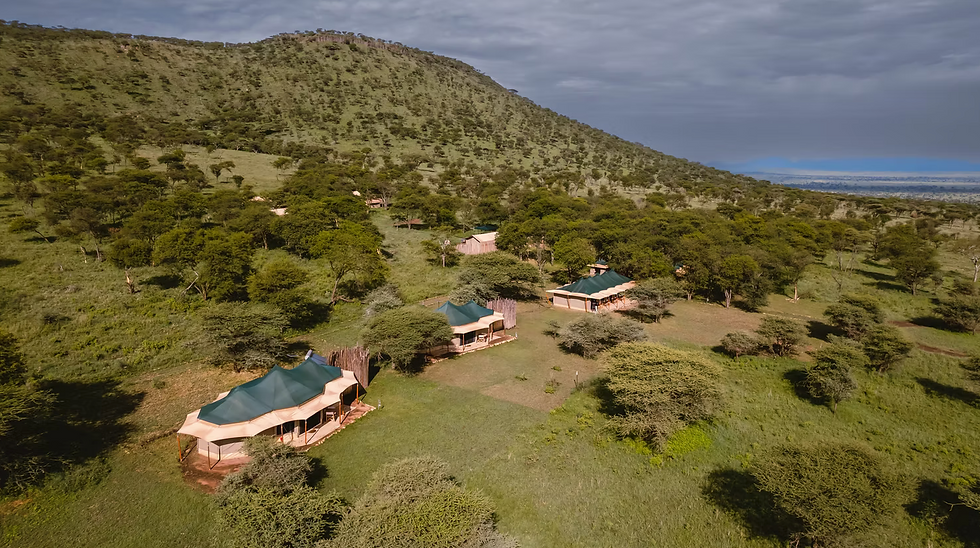
From stylish boutique hotels to luxurious resorts
Mauritius offers an exceptionally wide selection of high-quality accommodations.
From small boutique hotels and elegant adults-only resorts to luxurious beachfront villas, there's something to suit almost every travel style. Many hotels are located directly on protected lagoons and offer direct access to the sea.
Boutique hotels
Those who appreciate a personal atmosphere will find numerous charming boutique hotels in Mauritius.
They impress with individual design, excellent service and a quiet environment.
They are especially popular with couples and solo travelers.

Mauritius is one of the leading luxury destinations in the Indian Ocean.
Many resorts offer:
-
spacious suites and villas, private pools
-
first-class spa areas, excellent restaurants
-
Golf courses, extensive water sports facilities
Despite the high level of comfort, many houses place great emphasis on privacy and a relaxed atmosphere.

Luxury camps
Tanzania is one of Africa's leading luxury destinations.
Private guides, gourmet cuisine, exclusive suites and exceptional locations ensure a safari experience of the highest standard.

Sustainable accommodations
More and more hotels are focusing on sustainable concepts.
These include, among others:
-
Solar energy, regional food
-
Reduction of plastic, water conservation measures
-
Supporting local communities, protecting coral reefs
Those who travel consciously will find numerous accommodations in Mauritius that combine comfort and sustainability.

Arrival in Tanzania
Most international travelers arrive in Tanzania via one of the country's main international airports.
Depending on the travel route, different starting points are available.
Kilimanjaro International Airport (JRO) is the ideal starting point for safaris in the Northern Circuit including Serengeti, Ngorongoro, Tarangire and Lake Manyara.
Julius Nyerere International Airport (DAR) in Dar es Salaam is particularly suitable for travel to the south of the country as well as for combinations with Zanzibar.
Abeid Amani Karume International Airport (ZNZ) on Zanzibar is the main hub for beach holidays and can be perfectly combined with a safari.
Domestic flights
Due to the size of Tanzania, bush planes play an important role.
Many national parks have their own airstrips, making it easy to connect regions such as the Serengeti, Ruaha, Nyerere National Park or Zanzibar.
Fly-in safaris not only save time, but also allow for a particularly varied trip.
Land transfers
The Northern Circuit makes it easy to combine several national parks by land.
The journeys lead through diverse landscapes and offer interesting insights into rural Tanzania.

Our recommendation
Those visiting Tanzania for the first time should not focus on visiting as many national parks as possible in a short time.
Often, the most beautiful safari experiences occur where there is enough time to truly let a landscape work its magic.
A route including Tarangire, Ngorongoro, and the Serengeti offers an excellent introduction. Those with more time can extend their trip to include Zanzibar or explore the pristine wilderness in the south of the country.
Safety on safari in Tanzania
Tanzania is one of Africa's most popular and well-established safari destinations. Millions of travelers visit the country's national parks every year to experience its fascinating wildlife and diverse landscapes.
Those who plan a well-made trip and follow the advice of experienced guides can travel through Tanzania with peace of mind.
The national parks are excellently organized and have clear rules that serve both the protection of the animals and the safety of visitors.
As with any long-distance trip, good preparation and the choice of experienced partners contribute significantly to a relaxed travel experience.
From what age is a safari suitable?
There is no general age limit.
Many lodges welcome children of all ages, while others set a minimum age of 6 or 12 for safety reasons, or only allow certain activities from a certain age.
When planning our trip, we therefore always take the age of the children into account and choose suitable accommodations and activities.
Our recommendations for families
For families we recommend:
Shorter travel times between the national parks
Private safari vehicles for greater flexibility
Lodges with pool
Family-friendly guides
Plenty of time to relax
This makes the journey enjoyable even for younger children.
Safety during a safari
On a safari, you never face challenges alone. Experienced guides accompany every game drive and know the animals' behavior intimately. They know how to approach different situations and what distances to maintain.
That is precisely why encounters with elephants, lions or buffaloes are among the most impressive, but also the safest experiences of a professionally guided safari.
#
The following generally applies during game drives:
Follow the guide's instructions.
Never provoke or attract animals.
Only leave the vehicle at designated locations.
Always observe wild animals respectfully.
These simple rules ensure that humans and animals keep a sufficient distance from each other.
Safety in safari camps and lodges
Many safari lodges are located in the heart of nature. It is therefore perfectly normal for zebras, elephants, buffalo, lions or antelopes to wander through the camp at night and during the day.
It is precisely this closeness to nature that makes a safari so appealing. For this reason, staff members accompany many guests after nightfall between the restaurant, lounge, and accommodation. These so-called escort services are standard practice in numerous camps.
Following a few simple rules of conduct will ensure you can enjoy your stay safely:
Only move around at night accompanied if recommended.
Do not leave food lying openly on the terrace.
Never feed the animals.
Always observe wild animals from a safe distance.
Experience Africa with the whole family: Discover our tips for a safari with children

From what age is a safari suitable?
There is no general age limit.
Many lodges welcome children of all ages, while others set a minimum age of 6 or 12 for safety reasons, or only allow certain activities from a certain age.
When planning our trip, we therefore always take the age of the children into account and choose suitable accommodations and activities.
Our recommendations for families
For families we recommend:
Shorter travel times between the national parks
Private safari vehicles for greater flexibility
Lodges with pool
Family-friendly guides
Plenty of time to relax
This makes the journey enjoyable even for younger children.
From what age is a safari suitable?
There is no general age limit.
Many lodges welcome children of all ages, while others set a minimum age of 6 or 12 for safety reasons, or only allow certain activities from a certain age.
When planning our trip, we therefore always take the age of the children into account and choose suitable accommodations and activities.
Our recommendations for families
For families we recommend:
Shorter travel times between the national parks
Private safari vehicles for greater flexibility
Lodges with pool
Family-friendly guides
Plenty of time to relax
This makes the journey enjoyable even for younger children.
Safety during a safari
On a safari, you never face challenges alone. Experienced guides accompany every game drive and know the animals' behavior intimately. They know how to approach different situations and what distances to maintain.
That is precisely why encounters with elephants, lions or buffaloes are among the most impressive, but also the safest experiences of a professionally guided safari.
#
The following generally applies during game drives:
Follow the guide's instructions.
Never provoke or attract animals.
Only leave the vehicle at designated locations.
Always observe wild animals respectfully.
These simple rules ensure that humans and animals keep a sufficient distance from each other.
Safety in safari camps and lodges
Many safari lodges are located in the heart of nature. It is therefore perfectly normal for zebras, elephants, buffalo, lions or antelopes to wander through the camp at night and during the day.
It is precisely this closeness to nature that makes a safari so appealing. For this reason, staff members accompany many guests after nightfall between the restaurant, lounge, and accommodation. These so-called escort services are standard practice in numerous camps.
Following a few simple rules of conduct will ensure you can enjoy your stay safely:
Only move around at night accompanied if recommended.
Do not leave food lying openly on the terrace.
Never feed the animals.
Always observe wild animals from a safe distance.
Honeymoon in Africa: The perfect start to your adventure together

Sustainable tourism in Tanzania
Protecting the unique natural environment is one of the most important foundations of every safari.
A large portion of the revenue from tourism flows directly or indirectly into the preservation of national parks, protected areas and wildlife populations.
At the same time, safaris create jobs for rangers, guides, lodge staff, and many local families.
Those who travel responsibly contribute to ensuring that these extraordinary landscapes are preserved for future generations.

What distinguishes sustainable safaris
Sustainability means far more than just being environmentally friendly.
Many high-end lodges focus on:
Solar energy
Water-saving systems
recycling
Regional food
Cooperation with local communities
Wildlife protection programs
Ethical Guiding
This creates journeys that combine nature experiences and nature conservation.
Our philosophy
At InfiniteWild, we believe that exceptional safari experiences always come with responsibility.
Therefore, we prefer to work with carefully selected partners who are committed to nature conservation, sustainable tourism and supporting local communities in the long term.
Our goal is to create journeys that not only provide unforgettable experiences but also make a positive contribution to protecting Africa's unique nature.
Learn more about our concept "Safari - Reimagined"
Our Tanzania trips
No two safaris are alike.
Some travelers want to experience the Great Migration, others dream of remote wilderness areas or want to combine their safari with relaxing days in Zanzibar.
An individually planned trip offers the opportunity to combine exactly these wishes.
Instead of a predetermined route, a safari is created that suits your interests, travel time and budget.
In doing so, we take into account, among other things:
Personal interests
Travel time
Travel time
Desired national parks
Accommodation category
Combinations with Zanzibar
Special activities such as hot air balloon safaris or walking safaris
This creates a journey that doesn't feel like a standard program, but is perfectly tailored to you.

Tanzania offers countless opportunities to experience Africa in very different ways.
Perhaps you dream of experiencing the sunrise over the Serengeti, watching elephants among ancient baobab trees, or spending a few relaxing days in Zanzibar after your safari.
Together we plan a trip that suits your preferences – individual, personal and with carefully selected accommodations and experiences.
Ready for your safari in Tanzania?
Whether it's your first safari, a family trip, a honeymoon or an exclusive fly-in safari – we'll help you put together the perfect route to suit your needs.
Frequently asked questions about a safari in Tanzania
Tanzania is a year-round travel destination. The months from June to October during the dry season are particularly popular, as are January to March, when the calving season takes place in the southern Serengeti and hundreds of thousands of wildebeest calves are born.
For a first trip, we recommend at least seven days. However, ten to fourteen days are ideal to combine several national parks or to combine the safari with a stay in Zanzibar.
Yes. Tanzania is one of the few African countries where all of the Big Five can be found. Particularly good chances exist in the Serengeti, the Ngorongoro Crater, Tarangire National Park, and Ruaha.
The Great Migration is a year-round cycle. Depending on the season, the herds move through different regions of the Serengeti and on to the Masai Mara in Kenya. The river crossings at the Mara River between July and October are particularly well-known.
Yes. The Northern Circuit, in particular, with Tarangire, Ngorongoro, and the Serengeti, is ideal for first-time safari-goers. The infrastructure is excellent, and the combination of national parks offers an enormous diversity of landscapes and wildlife.
Absolutely. The Serengeti is one of the most wildlife-rich regions in Africa all year round. Lions, cheetahs, leopards, elephants and numerous other wild animals can be observed excellently regardless of the wildebeest migration.
Besides the Big Five, Tanzania is home to cheetahs, giraffes, zebras, hippos, crocodiles, hyenas, African wild dogs, numerous antelope species, and over 1,100 bird species. Wild chimpanzees can also be observed in the Mahale Mountains and Gombe National Park.
A tailor-made trip allows you to perfectly match national parks, accommodations, and activities to your interests, travel dates, and budget. This creates a balanced itinerary with ample time for immersive nature experiences and special encounters.
Our Tanzania trips
Tanzania is a land of contrasts. Vast savannas meet dense rainforests, mighty volcanic craters meet tropical islands, and some of the greatest wildlife migrations on Earth meet quiet moments amidst untouched nature.
Whether you want to experience the Serengeti for the first time, observe chimpanzees in the Mahale Mountains or combine your safari with relaxing days in Zanzibar – we design your trip individually and with great attention to detail.
With carefully selected accommodations, experienced guides and a route that suits your personal preferences, a safari is created that goes far beyond classic round trips.
Ready for your safari in Tanzania?
Let's plan your personal Tanzania trip together. We'll advise you individually and develop a route that perfectly suits your wishes, travel dates, and budget.

Safari in Tanzania
Endless plains, the call of the wild, and some of Africa's most impressive natural wonders.
